 how-to
Disposing of Old Office Furniture: 7 Practical Steps
Table of Contents
- Why Office Furniture Disposal Is a Bigger Problem Than You Think
- What You'll Need Before You Start Disposing of Old Office Furniture
- Step 1: Sort Furniture Into Donate, Recycle, and Haul Away
- Step 2: Office Furniture Donation in San Jose: Who Takes What
- Step 3: Recycling Office Furniture: Metal, Wood, and Fabric
- Step 4: Electronic Waste Disposal in San Jose for Office Tech
- Step 5: Office Furniture Removal in San Jose: When to Call a Hauler
- Common Mistakes to Avoid When Disposing of Old Office Furniture
- Frequently Asked Questions
Last Updated: October 16, 2026
Why Office Furniture Disposal Is a Bigger Problem Than You Think
Up to 8.5 million tons of office furniture end up in landfills every year in the United States, according to a U.S. EPA estimate reported by Resource Recycling's 2021 furniture waste analysis. That is a staggering amount of desks, chairs, and filing cabinets buried in the ground. Worse, a 2018 U.S. EPA figure cited by OfficeSpace Software's "Don't Let Office Furniture Die" shows that over 80% of discarded furniture goes straight to landfills.
Disposing of old office furniture is not just a dumpster problem. It is a logistics, legal, and environmental problem rolled into one. Below, we break down the exact seven steps to clear an office without cutting corners.
The good news: most of that furniture does not have to be trash. Here is how to sort, donate, recycle, and haul it away the right way.
What You'll Need Before You Start Disposing of Old Office Furniture
Before you move a single desk, gather a few basics. This prep work saves hours later.
- A floor plan or room map. Mark what stays and what goes.
- Work gloves and a utility knife. You will cut cords and straps.
- Moving blankets and a hand truck. Protect floors and your back.
- A camera or phone. Photograph items for donation and resale listings.
- A tape measure. Many donation centers have size limits.
- A disposal checklist. Track what goes where.
Pick a staging area near the loading door. Move everything you plan to remove into one pile first. This keeps the rest of the office clear and makes pickup faster.
Step 1: Sort Furniture Into Donate, Recycle, and Haul Away
The fastest way to handle a full office cleanout is a three-pile sort. Every item lands in one of three groups.
- Donate: clean, working, and complete furniture
- Recycle: metal frames, broken wood, and worn fabric items
- Haul away: bulky, damaged, or mixed-material pieces
Do this room by room. Do not try to sort the whole office at once. It gets overwhelming fast.
Condition Checklist: What's Still Usable vs. What's Not
Use this simple test before you decide.
| Condition | Donate? | Recycle? | Haul Away? |
|---|---|---|---|
| Sturdy, no tears, all parts | Yes | No | No |
| Minor scuffs, works fine | Yes | No | No |
| Broken frame or missing parts | No | Sometimes | Yes |
| Torn fabric, water damage | No | Sometimes | Yes |
| Metal-only, no upholstery | No | Yes | No |
When in doubt, lean toward donation. A WRAP reuse case study on office furniture notes that reused items vary by mass and material, so not every piece carries the same impact. Still, reuse almost always beats the landfill.
Step 2: Office Furniture Donation in San Jose: Who Takes What
Office furniture donation in San Jose works best when you match items to the right receiver. Not every charity takes every item.
- Call ahead. Most groups have pickup schedules and item limits.
- Confirm they accept used office furniture, not just clothing.
- Ask about pickup fees. Some charge for large loads.
- Get a donation receipt for your records.
Large desks and conference tables often need a scheduled pickup. Smaller items like chairs and lamps are easier to drop off.
Step 3: Recycling Office Furniture: Metal, Wood, and Fabric
Recycling office furniture starts with breaking items into material types. Steel frames, aluminum legs, and metal filing cabinets are the easiest to recycle. Most scrap yards pay by weight for these.
Wood is trickier. Solid wood can sometimes be recycled or chipped. Particle board and laminate usually cannot.
Fabric and foam are the hardest to recycle. Most end up in the trash unless a specialty program accepts them. Green Standards' managed program overview describes how resale, donation, and recycling are combined to keep furniture out of landfills. Rheaply's office chair recycling guide notes that some programs work with remanufacturers to resell or donate surplus pieces.
Step 4: Electronic Waste Disposal in San Jose for Office Tech
Electronic waste disposal in San Jose is a separate job from furniture. Old monitors, printers, and computers cannot go in the regular trash. California law treats them as hazardous waste.
- Take e-waste to a certified drop-off site.
- Never put monitors or printers in a dumpster.
- Wipe hard drives before disposal.
- Ask for a certificate of destruction for data-bearing devices.
Many office cleanouts mix furniture and tech in the same room. Keep them separate from day one.
Step 5: Office Furniture Removal in San Jose: When to Call a Hauler
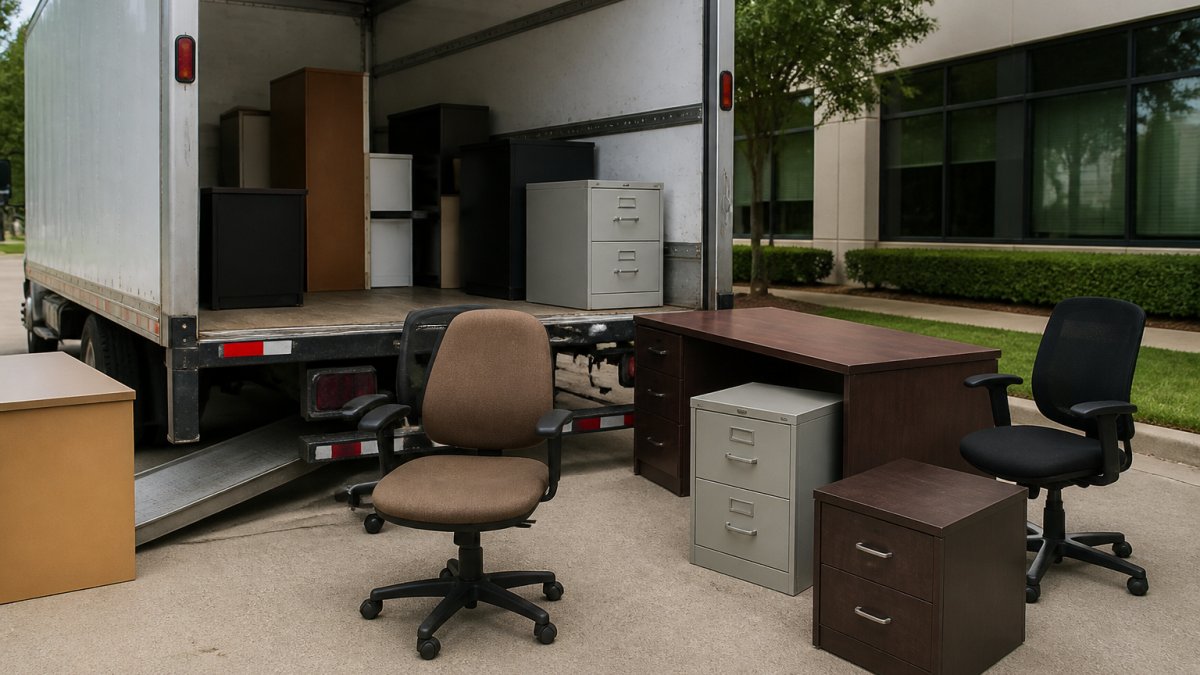
Office furniture removal in San Jose makes sense when the pile is too big, too heavy, or too mixed for a DIY trip. A single desk is one thing. A whole floor of cubicles is another.
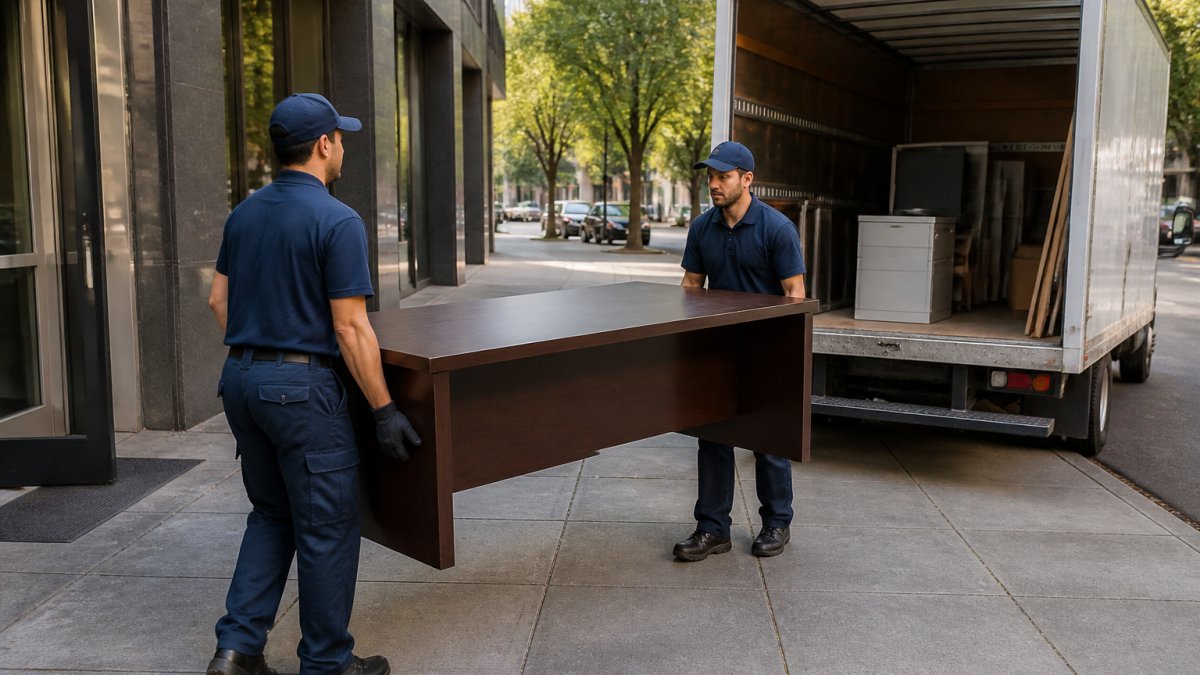
Call a hauler when you have:
- More than a truckload of items
- Heavy items like safes or conference tables
- A tight deadline, like a lease end date
- Mixed debris, including construction scraps
- No loading dock or elevator access
One INv Recovery report on office furniture reuse describes a California four-building campus decommission that diverted 1.5 million pounds of furniture from landfill in just two months. Scale matters. A pro crew moves faster and diverts more.
We handle furniture, appliances, and demolition debris in one trip. You do not need to sort it into separate pickups.
Common Mistakes to Avoid When Disposing of Old Office Furniture
Most cleanout headaches come from a handful of avoidable errors. Here is what we see most.
- Waiting until the last week. Pickup slots fill up. Start early.
- Mixing e-waste with furniture. It creates legal problems and delays.
- Skipping the donation receipt. You lose a tax write-off.
- Overloading a rental truck. It damages the truck and your back.
- Assuming all charities take all items. They do not.
- Forgetting loading access. Stairs and tight doors slow everything.
The biggest mistake is treating disposal as an afterthought. Plan the sort, the donation calls, and the haul in one go. That is how you avoid a pile of furniture sitting in a parking lot on move-out day.
Frequently Asked Questions
Does the City of San Jose pick up old office furniture?
San Jose's curbside collection is built for household waste, not bulk commercial furniture. Large items like desks, filing cabinets, and conference tables usually need a scheduled bulky-item pickup or a private hauler. If your office is in a commercial building, check with your property manager first, since many buildings have their own waste contracts and dock rules that decide what can be left out and when.
Where can I donate used office furniture in San Jose?
Local nonprofits, school districts, and community organizations often accept desks, chairs, and shelving that are clean and structurally sound. Call ahead with photos and measurements, because most donation centers have limited dock space and turn down items with broken frames, torn upholstery, or missing parts. Ask for a receipt if you want to claim a charitable deduction, and confirm they can unload from your vehicle or truck.
Can office furniture be recycled in San Jose?
Much of it can. Steel frames, aluminum bases, and metal filing cabinets are the easiest to recycle, and many scrap yards accept them. Wood, laminate, and fabric are harder because mixed materials are costly to separate. Recycling office furniture works best when you break items down first: remove cushions, pull metal hardware, and separate plastic from wood before drop-off so the load is accepted.
How should I handle damaged or unusable office furniture?
Items with mold, water damage, pest activity, or broken structural parts are not safe to donate. Send those to recycling or landfill through a licensed hauler. If the furniture is from an older building and may contain lead paint or asbestos, do not break it apart yourself. Have it tested or handled by a qualified abatement professional before anyone moves it, since disturbing those materials can create a health hazard.
Clearing an office is a lot of work, and the last thing you want is a pile of desks stuck in the hallway on your deadline. Slash Trash Hauling removes old office furniture, appliances, and debris across San Jose and the surrounding counties. We offer single-trip pickup, handle heavy and mixed loads, and work around your schedule so you hit your move-out date. Get a free quote from Slash Trash Hauling and clear the space without the stress.