 How-to
Getting Rid of Heavy Demolition Scrap Without the Headache
Last Updated: November 6, 2026
Quick Summary
Getting rid of heavy demolition scrap means matching the load to the right removal method: a roll-off container for multi-week projects, full-service hauling for fast cleanouts and heavy pieces, or a scrap dealer for clean, separated metal. Sort metal, concrete, and trash apart first, since mixed loads get priced as trash and clean metal can earn a rebate.
- Demolition accounts for more than 90% of all construction and demolition debris generated, per EPA data.
- A roll-off container suits multi-week projects but carries weight caps and possible overload charges.
- Full-service hauling fits tight timelines, heavy pieces, and sites where a container cannot sit.
- Keep copper and aluminum apart from steel, since nonferrous grades usually earn more per pound.
- Sort debris into metal, concrete and brick, wood, and general debris before the truck arrives.
Table of Contents
- Why Heavy Demolition Scrap Is a Different Job Than Regular Junk
- Your Options for Removing Heavy Demolition Scrap
- Construction Debris Removal San Jose Contractors Can Count On
- Concrete and Brick Disposal: Heavy, Dense, and Handled Separately
- Scrap Metal Removal and What Your Scrap Is Actually Worth
- How to Prepare Debris for Pickup Before the Truck Arrives
- Sorting, Recycling, and Diverting Demolition Waste From the Landfill
- Get a Free Quote on Your Heavy Demolition Scrap
- Frequently Asked Questions
Why Heavy Demolition Scrap Is a Different Job Than Regular Junk
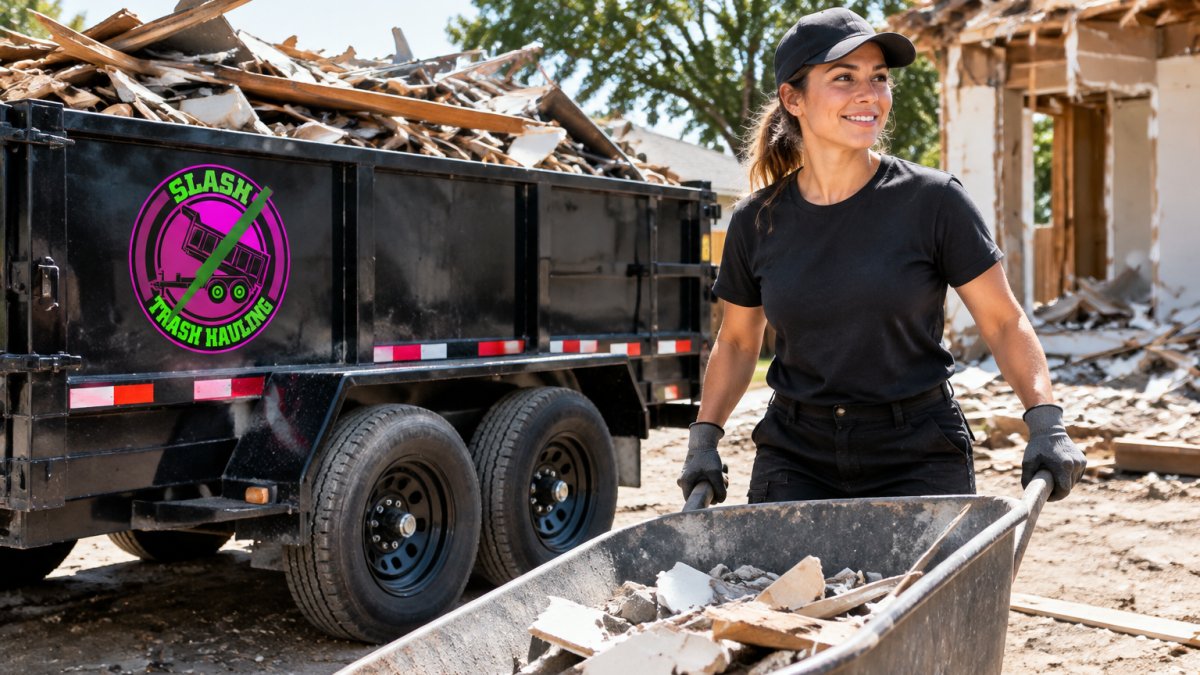
Getting rid of heavy demolition scrap is not the same as hauling away an old couch. Demolition scrap is dense, sharp, and awkward.
The numbers back that up. According to the U.S. Environmental Protection Agency's construction and demolition debris data, demolition accounts for more than 90% of all construction and demolition debris generated.
That weight matters. Heavy scrap can tear a regular truck bed. It can crush a light trailer.
Homeowners and contractors often load a truck the way they load furniture, and that is how things break.
Heavy demolition scrap needs three things regular junk does not:
- Weight planning. Concrete and metal add up fast.
- Separation. Metal, concrete, and trash go to different places.
- The right equipment. Trucks, ramps, and loading labor built for dense loads.
If you want the full process from start to finish, our guide on how to handle demolition debris walks through it step by step.
Your Options for Removing Heavy Demolition Scrap
You have four realistic paths for demolition scrap removal: rent a roll-off container and load it yourself, hire a full-service hauler, take clean metal to a scrap dealer, or sell usable equipment before the tear-down. Each fits a different job size, skill level, and timeline. The trick is matching the option to the load, not the other way around.
Here is the quick comparison:
| Option | Best for | You handle loading? | Speed | What drives the decision |
|---|---|---|---|---|
| Roll-off container rental | Multi-week projects with steady debris | Yes | Slower setup | Weight limits and permit space on the street |
| Full-service hauling | Fast cleanouts and heavy pieces | No | Same or next day | Access, lifting needs, and timeline |
| Scrap dealer drop-off | Clean, separated metal loads | Yes | You drive it | Purity of the load and your own transport |
| Equipment resale or auction | Usable tools, fixtures, and machinery | You coordinate | Weeks of lead time | Condition and buyer demand |
A Simple Decision Path
Start with the material.
Next, look at access. A roll-off container needs a level spot, usually a driveway or a permitted street space, and enough turning room for the delivery truck.
Then check the timeline. A remodel that runs for weeks benefits from a container parked on site, because debris goes out as it comes down.
Finally, weigh resale. Usable equipment, fixtures, and machinery can sometimes be sold or auctioned before demolition begins.
Dumpster Rental and Roll-Off Containers
A roll-off container is a large open-top dumpster dropped at your site. You fill it, call for pickup, and pay by weight or by the load.
This works well when a project runs for weeks and debris builds up daily. It also keeps one spot on site for everything.
Watch out: concrete and brick are heavy, and many rental terms cap the weight you can put in.
Full-Service Hauling and On-Site Removal
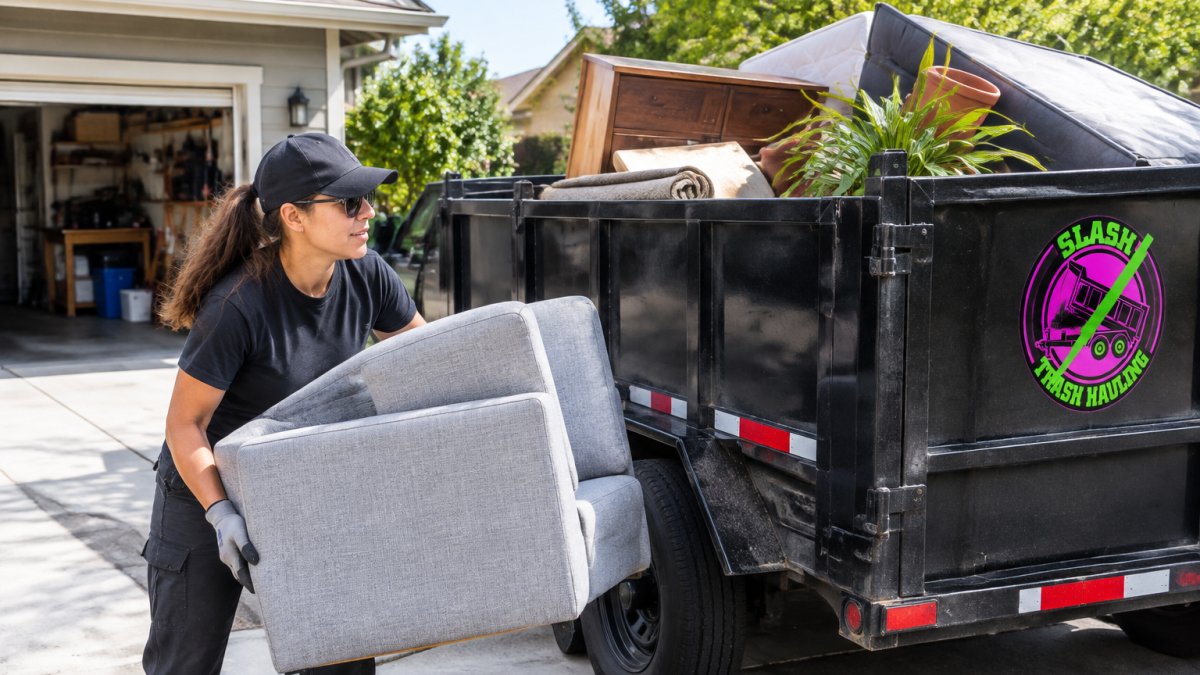
Full-service hauling means a crew comes to you, loads the debris, and hauls it away. You point, they lift.
This is the better fit for tight timelines, heavy pieces, and jobs where you cannot leave a container sitting on the street.
Contractors comparing options often want to know how local haulers stack up against national names. Our breakdown of LoadUp alternatives for contractors covers that comparison.
Scrap Dealer Drop-Off
If you can separate clean metal and you have a truck or trailer rated for the weight, a scrap dealer can be the lowest-cost path because you are selling material rather than paying to dispose of it. The catch is that dealers accept specific grades and often reject loads with attached wood, plastic, or concrete. Call ahead about accepted grades and hours before you load.
Selling or Auctioning Usable Equipment
Before the tear-down, walk the site and flag anything with resale value: tools, fixtures, shelving, machinery, and salvageable building components. Auction houses and online marketplaces can move these items, but they need lead time and clear photos. Removing them first also lightens the demolition load, which can lower your hauling cost.
Construction Debris Removal San Jose Contractors Can Count On
For construction debris removal in San Jose, the deciding factor is usually reliability.
A missed pickup can stall a whole crew.
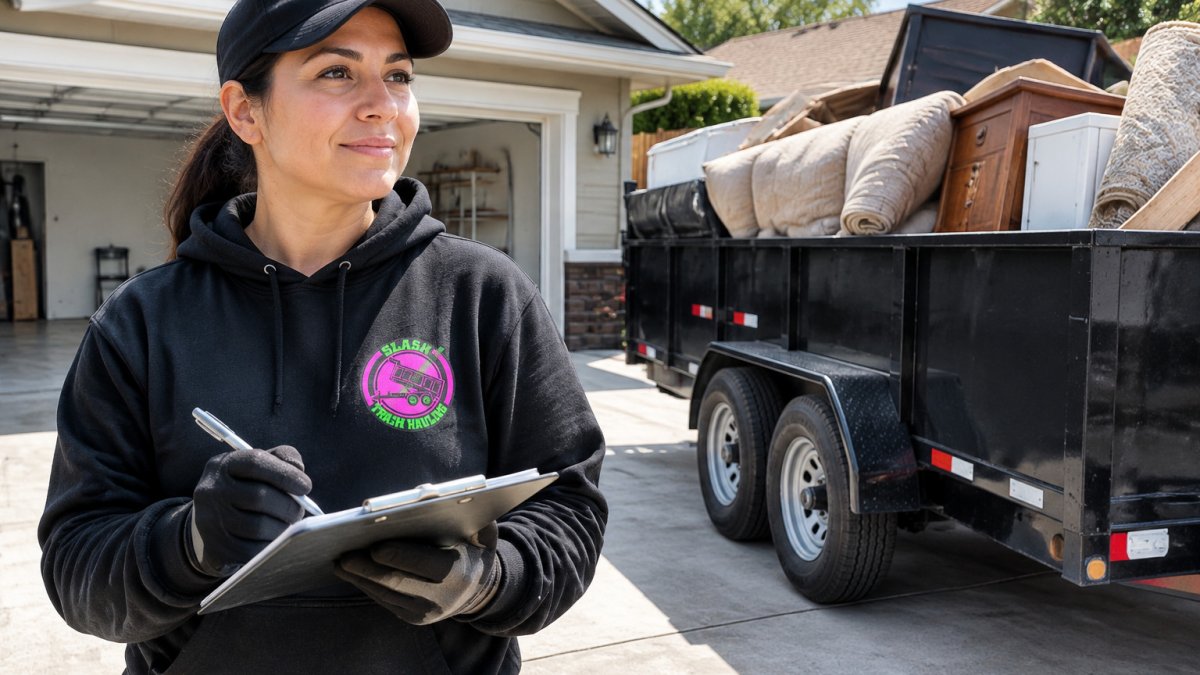
Slash Trash Hauling offers same-day and next-day service across San Jose and Santa Clara County. Free quotes are available by phone, text, or photo, so you know the scope before pickup.
What to expect on a contractor job:
- A quick site walk to size up the load
- Clear separation of metal, concrete, and general debris
- Loading and hauling in one visit
- A clean site when we leave
Small renovation? Our guide to construction debris removal for small renovations shows how a modest job gets handled.
Call or Text for a Free Quote →
Concrete and Brick Disposal: Heavy, Dense, and Handled Separately
Concrete and brick disposal is a weight problem first, which is why these materials are often handled on their own.
Clean concrete and brick can often be crushed and reused as base material. Keeping them separate from trash and wood makes that reuse possible.
A few practical rules:
- Keep concrete free of rebar where you can
- Pile brick and block separately from wood
- Never mix concrete with general trash
- Stack flat pieces for safer loading
The North Carolina Department of Environmental Quality notes that a demolition material management plan identifies materials and outlines steps for each phase of a project.
Scrap Metal Removal and What Your Scrap Is Actually Worth
Scrap metal removal can put money back in your pocket, if you separate it right. Steel, copper, aluminum, and cast iron all have value at a scrap dealer, but the price you get depends on how clean and how sorted the load is.
Prices move. The U.S. Geological Survey's iron and steel scrap data shows heavy melting steel scrap ranging from $303.46 to $366.26 per ton over a year. That swing is why timing and sorting matter.
Ferrous vs. Nonferrous: The Split That Sets Your Price
Dealers sort metal into two families. Ferrous metal contains iron and is magnetic: steel beams, rebar, cast iron tubs, and appliance shells. Nonferrous metal has no iron: copper pipe, aluminum framing, brass fittings, and stainless steel.
A quick way to check a piece is a magnet. If it sticks, it is ferrous. If it does not, treat it as nonferrous and keep it separate.
What Raises Your Scrap Value
- Clean metal with no attached wood, plastic, or concrete
- Copper and aluminum kept apart from steel
- Larger pieces rather than mixed small scraps
- Appliances with fluids removed
- Loads delivered during normal dealer hours, when grading is easiest
What most people miss is that mixed loads get priced as trash, not metal. A pile of rebar tangled with broken brick and lumber is a disposal problem, not a scrap sale. Sort first, then call.
How Grading Works at the Dealer
When you arrive, a dealer inspects the load and assigns a grade. Clean, sorted material earns the posted price for that grade. Contaminated or mixed material gets a lower grade or is rejected outright.
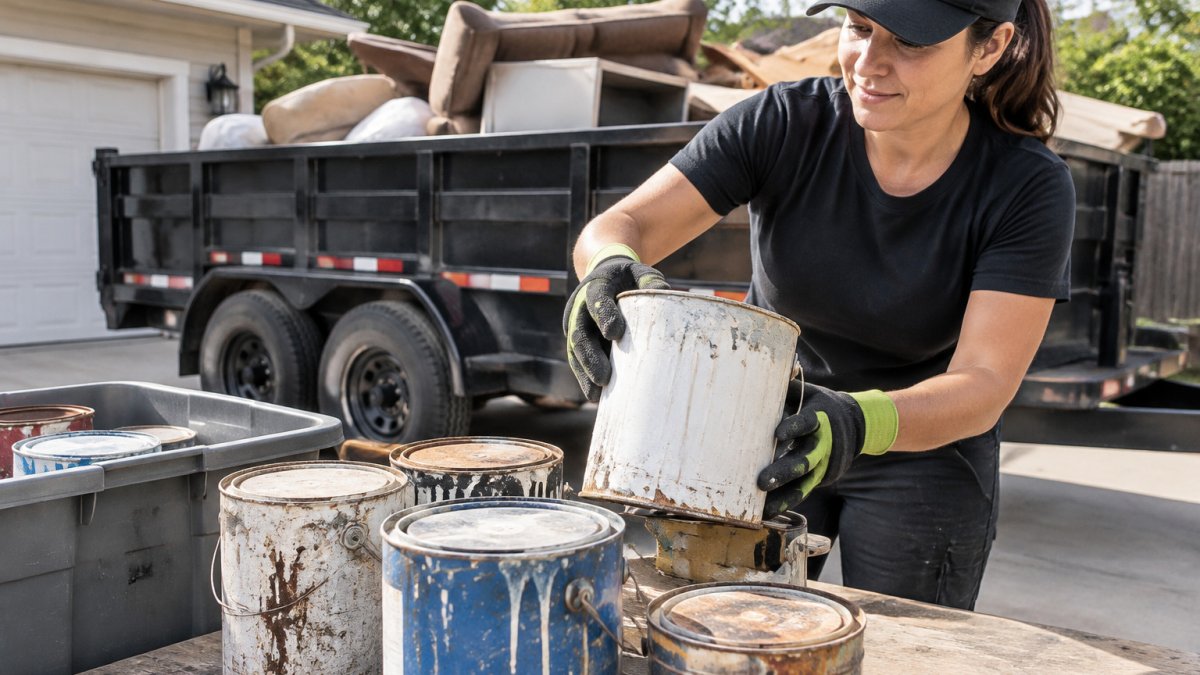
Watch out: sealed drums, tanks, and pipes can hold pressure or unknown contents, and dealers will refuse them. Leave those out of your scrap load and ask the hauler how to handle them separately.
When Scrap Value Does Not Cover the Trip
Not every metal load is worth a dealer run. If the metal is small, mixed, or attached to other debris, the labor to separate it can exceed the scrap value.
For San Jose readers, the practical move is to sort metal into ferrous and nonferrous piles before pickup, then ask your hauler whether the clean metal will be recycled and how that affects your quote. That one question turns a disposal cost into a partial recovery.
How to Prepare Debris for Pickup Before the Truck Arrives
Preparing debris for pickup makes the job faster and safer. A little sorting before the truck arrives can cut loading time and reduce what ends up in the landfill.
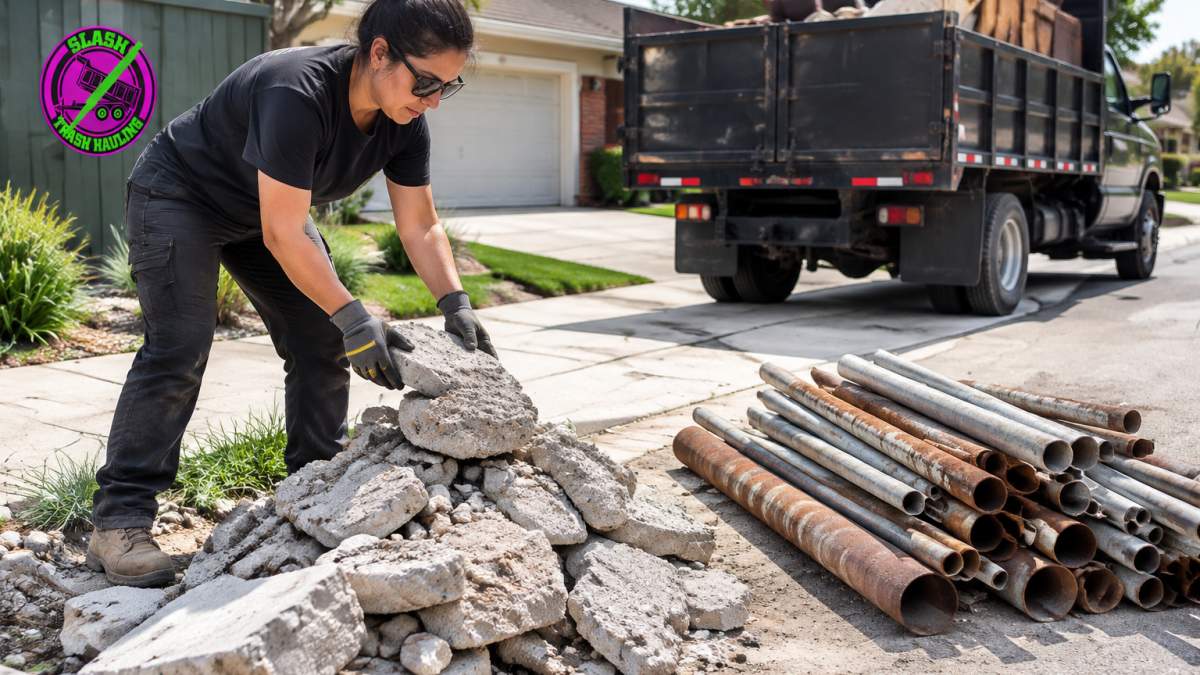
Use this checklist before pickup day:
- Separate metal, concrete, wood, and general trash
- Break down large pieces to a liftable size
- Remove nails and sharp edges where you can
- Clear a path from the debris to the street
- Keep piles clear of cars, mailboxes, and utility lines
- Confirm truck access and turning room
- Take a photo of the piles for your quote
Limited access is a common worry. Tell the hauler up front about narrow driveways or tight gates. For a deeper look, read how to prepare construction debris for removal.
Sorting, Recycling, and Diverting Demolition Waste From the Landfill
Sorting demolition waste is where you save money and cut landfill volume. Reuse and recycling can be more economical than disposal, according to CalRecycle's construction and demolition debris guidance.
The catch is that this is a potential benefit, not a guarantee. Mixed loads cost more to process. Clean, separated loads move faster and recover more.
Sort into these streams:
- Metal: steel, rebar, copper, aluminum
- Concrete and brick: clean rubble for reuse
- Wood: untreated lumber and pallets
- General debris: everything else
For local habits that keep a site clean and sorted, see our debris removal tips for construction sites.
Get a Free Quote on Your Heavy Demolition Scrap
Heavy demolition scrap is a job for the right equipment and the right crew. You do not have to guess at weight, wrestle rebar into a pickup, or risk a no-show.
Slash Trash Hauling is a woman-owned, owner-operated hauler serving San Jose and the surrounding valley. We handle construction debris removal and general hauling with same-day and next-day service.
Call or text 408-833-5405 for a free quote. Slash the mess, reduce the stress.
Frequently Asked Questions
How do you get rid of heavy demolition scrap?
You have three realistic paths: rent a roll-off container and fill it yourself, hire a full-service hauler to load and haul on site, or sell the metal portion to a scrap dealer first and haul the rest. For most homeowners and small contractors, full-service pickup is the least labor-intensive because the crew handles loading, transport, and disposal. Call or text a local hauler with photos of the pile for a free quote before you commit.
Can demolition scrap be recycled in San Jose?
Yes. Concrete, brick, metal, and clean wood are all recoverable. Reuse and recycling can sometimes cost less than disposal, so the volume of demolition material offers real opportunity to recover. Sorting materials before pickup is what makes recycling practical, since mixed loads are harder for facilities to process and may be rejected.
How should heavy demolition debris be sorted before pickup?
Separate by material type: concrete and brick in one pile, ferrous and non-ferrous metal in another, clean wood in a third, and general debris last. Keep large metal pieces whole rather than cutting them down, since scrap yards and haulers handle them more easily intact. Move everything to a spot a truck can reach, and tell the hauler what materials are in each pile so they bring the right equipment and labor.
What information should I provide when requesting demolition debris removal?
Send photos of the pile, the material types, an approximate volume, and your address with any access notes like a narrow driveway or gate. Mention whether the debris is inside, in a garage, or already at the curb, because that changes the labor involved. If you can share the project timeline, a hauler can schedule around your demolition date. A photo-based quote is usually free and takes minutes.