 comparison
LoadUp Alternatives for Contractors in 2026
Table of Contents
- Why Contractors Need LoadUp Alternatives
- Key Factors When Comparing LoadUp Alternatives
- Top LoadUp Alternatives for Contractors
- Construction Debris Removal in San Jose and Surrounding Areas
- Understanding Construction Debris Removal Costs
- Finding Authorized Construction and Demolition Haulers
- Demolition Debris Hauling Services and What to Expect
- Making Your Final Decision
- Frequently Asked Questions
Last Updated: October 12, 2026
Why Contractors Need LoadUp Alternatives
Contractors face a fundamental problem: finding reliable debris removal that fits their workflow and budget. LoadUp has become a default choice for many, but loadup alternative contractors have other strong options to consider.
According to Buildertrend's 2026 Data Report on how builders operate, 80% of builders now track daily jobsite progress digitally. That same focus on efficiency extends to debris removal. Contractors want transparency, predictable pricing, and services that show up when promised.
The challenge isn't that LoadUp doesn't work. It's that loadup alternative contractors might offer better pricing, faster scheduling, or a service model that actually matches how you operate. Whether you're managing a small renovation in San Jose or coordinating multiple demolition sites across the region, understanding your options matters.
Key Factors When Comparing LoadUp Alternatives
When evaluating a LoadUp alternative for contractors, focus on what actually impacts your bottom line and schedule.
Pricing transparency matters most. Some services publish per-item costs upfront; others require a quote. For contractors bidding multiple jobs monthly, hidden fees or surprise charges derail profitability. Dropcurb, for example, publishes its per-item pricing online, so you know costs before booking. That certainty lets you quote jobs accurately.
Scheduling reliability is non-negotiable. A hauler that cancels or reschedules costs you a day of labor and disrupts your crew. Look for services that confirm pickup windows early and stick to them.
Service scope determines whether a contractor can use one provider or needs multiple. Some handle construction debris, appliances, and yard waste equally well. Others specialize. If you're clearing mixed debris from a renovation, you need a service that accepts everything, not one that requires three separate pickups.
Geographic coverage in San Jose and surrounding areas affects availability. National platforms sometimes have gaps in local service. Regional providers often respond faster and understand local logistics better.
| Factor | Why It Matters | What to Check |
|---|---|---|
| Pricing Model | Determines job profitability | Per-item, flat-rate, or volume-based |
| Booking Process | Affects scheduling efficiency | Online booking, app, or phone-only |
| Debris Types Accepted | Reduces need for multiple providers | Construction debris, appliances, yard waste |
| Service Area | Determines availability near you | Covers San Jose and surrounding regions |
| Cancellation Policy | Protects your project timeline | How much notice required to cancel |
Top LoadUp Alternatives for Contractors
Junk King
Junk King operates as a full-service debris removal provider with a straightforward approach. You schedule online or by phone, and their crew handles loading and hauling. The service accepts mixed debris, appliances, and construction waste, the variety contractors typically encounter.
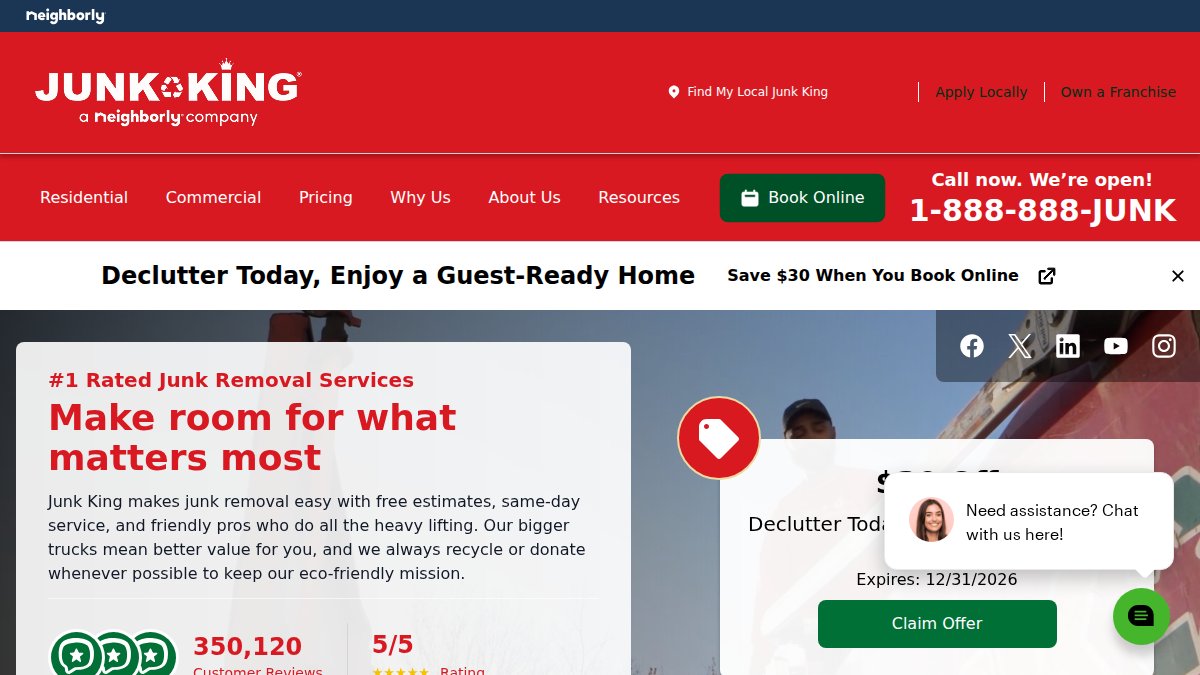
The standout feature is their price-matching policy. If you find a competitor's quote, Junk King matches it. For contractors comparing multiple LoadUp alternative options, this removes pricing uncertainty.
Pros:
- Price-matching guarantee simplifies competitive bidding
- Accepts mixed debris types in a single pickup
- Established brand with consistent service standards
Cons:
- Pricing requires a quote (not published upfront like some competitors)
- Service availability varies by region; verify coverage in San Jose before booking
Best for: Contractors who want a proven alternative with transparent pricing assurance and don't mind requesting a quote.
Dropcurb
Dropcurb operates on a curbside-only model: you stage items at the curb, they pick them up. The key advantage is per-item pricing published online. You can calculate removal costs before the crew arrives, no surprises.
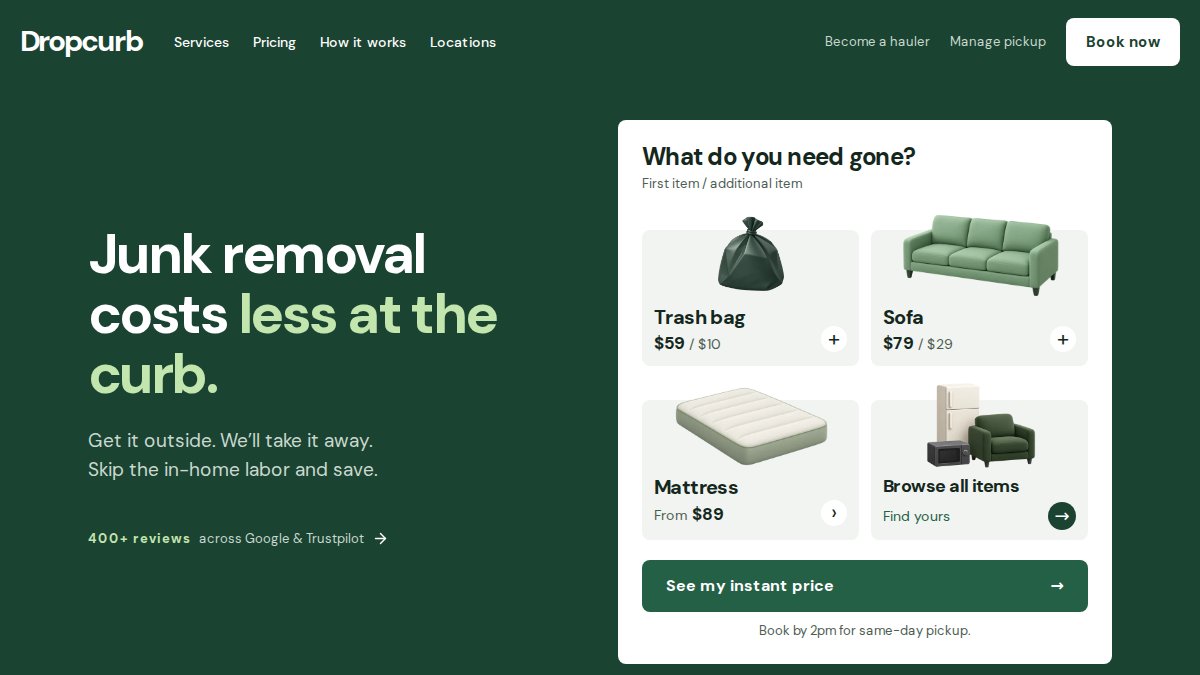
This model works well for contractors with predictable debris types and access to place items curbside. If your job site is tucked back from the road or you have bulky items that can't stage easily, this becomes a limitation.
Pros:
- Per-item pricing published online for cost certainty
- Simple, fast booking process
- Transparent pricing means no quote delays
Cons:
- Curbside-only pickup doesn't suit all job sites
- May not accept certain hazardous materials or large construction debris
Best for: Contractors with straightforward debris and easy curb access who value price transparency above all.
WasteMatch
WasteMatch offers an online booking platform similar to LoadUp's model. You list your debris, receive pricing, and schedule pickup. The platform emphasizes flexibility and quick turnarounds.
The service works as a LoadUp alternative for contractors seeking comparable functionality without the LoadUp brand premium. If you're already comfortable with app-based booking, WasteMatch provides a familiar workflow.
Pros:
- Online booking mirrors LoadUp's user experience
- Quick pricing quotes through the platform
- Flexible scheduling options
Cons:
- Limited pricing information published in advance (requires a quote)
- Service availability in San Jose and surrounding areas needs verification before relying on it
Best for: Contractors comfortable with app-based booking who want a LoadUp alternative with comparable functionality.
Denver Junk Solutions
Denver Junk Solutions uses a per-item pricing model plus an area service fee per pickup. The comparison data shows discounts available, up to 10% off for certain debris types and outdoor items (Denver Junk Solutions vs. LoadUp: Denver Comparison).
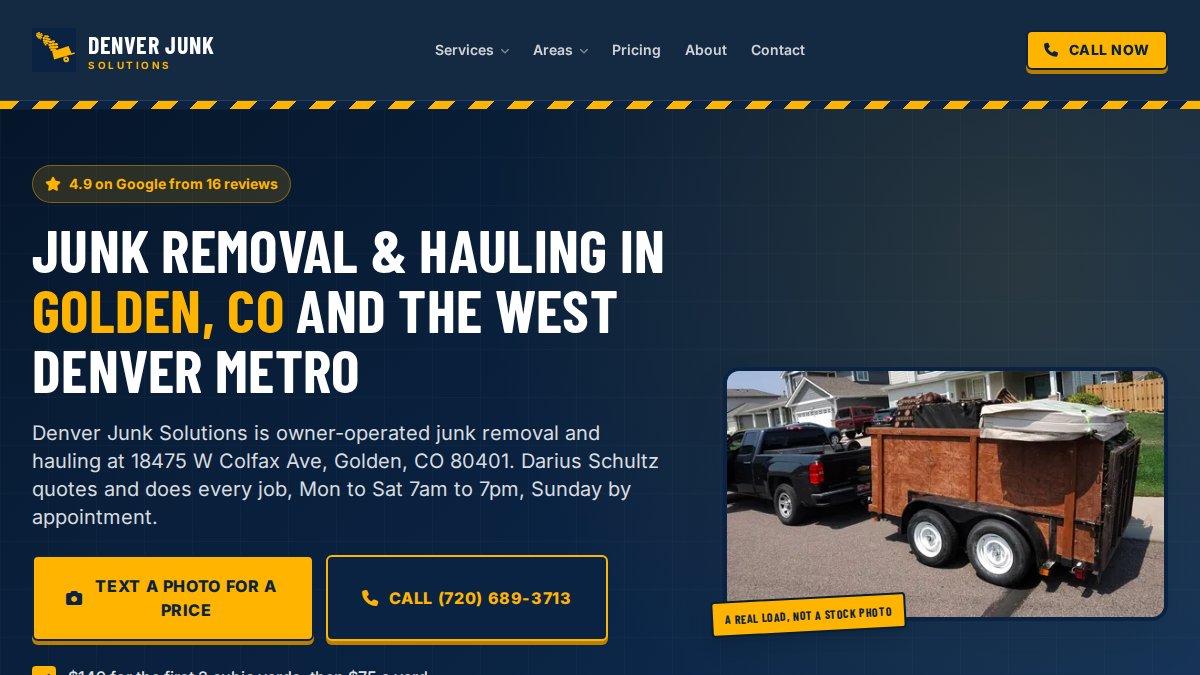
This pricing structure appeals to contractors managing multiple small jobs where per-item costs stay predictable. The discount structure rewards volume and outdoor debris removal.
Pros:
- Per-item pricing plus service fee is transparent
- Discounts available for outdoor debris and bulk removals
- Clear pricing structure for budget forecasting
Cons:
- Service operates primarily in Denver; San Jose coverage is unclear
- May require verification of service area before booking
Best for: Contractors in service areas where Denver Junk Solutions operates, seeking transparent per-item pricing with volume discounts.
Construction Debris Removal in San Jose and Surrounding Areas
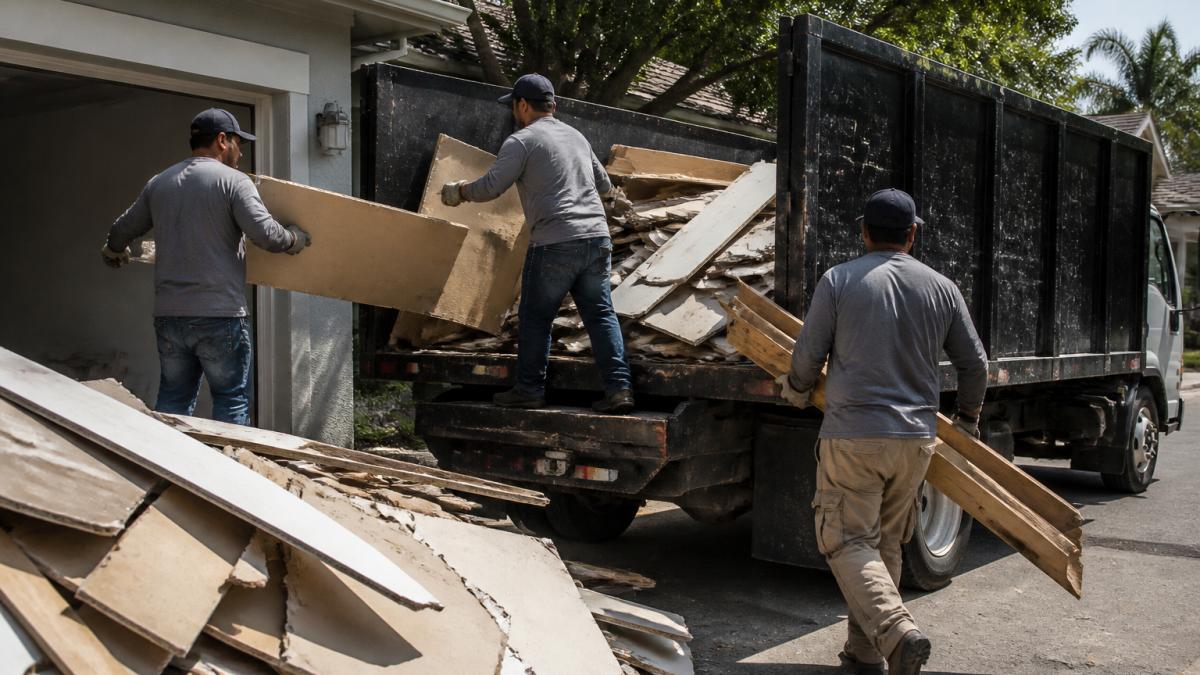
Construction debris removal in San Jose requires understanding what qualifies as construction debris and which services accept it. The category includes drywall, lumber, concrete, roofing materials, and mixed renovation waste.
Most full-service haulers accept construction debris removal in San Jose, but policies vary. Some cap weight or volume per load. Others charge premium rates for hazardous materials like asbestos-containing drywall or lead paint. Before booking, confirm the service accepts your specific debris type.
Regional providers often understand local disposal routes better than national platforms. San Jose has specific facilities for construction debris, and local haulers know which materials go where. This knowledge translates to faster service and sometimes lower costs.
The best approach is contacting three services with photos and a list of your debris. This gives you accurate quotes and confirms each service's construction debris removal capabilities in San Jose.
Understanding Construction Debris Removal Costs
Construction debris removal cost depends on volume, debris type, and disposal fees. A single pickup of mixed renovation waste typically ranges based on quantity and material composition, but exact pricing varies by provider.
Several factors drive cost:
- Volume: Larger loads cost more. A pickup truck's worth costs less than a dumpster's worth.
- Material type: Hazardous materials (asbestos, lead paint) incur disposal surcharges.
- Facility fees: Local disposal facilities charge tipping fees that haulers pass along.
- Distance to facility: Longer hauls to disposal sites increase cost.
Request quotes from multiple providers. Pricing depends on quantity, dates, and delivery logistics, factors only a specific quote captures. Local providers often offer free estimates, so compare before committing.
Finding Authorized Construction and Demolition Haulers
Authorized construction and demolition haulers in San Jose hold proper licensing and follow local waste management regulations. This matters because improper disposal creates liability for both the hauler and the contractor.
Verify that any service you hire is licensed to handle construction and demolition debris. Check with your local waste management authority for licensed hauler lists. Many cities maintain registries of approved providers.
Licensed haulers know which materials require special handling and which facilities accept specific debris types. They're also insured, protecting you if something goes wrong during removal.
When contacting a provider, ask directly: "Are you licensed for construction and demolition debris removal in San Jose?" A legitimate service answers immediately. If they hedge or avoid the question, move on.
Demolition Debris Hauling Services and What to Expect
Demolition debris hauling differs from renovation debris removal. Demolition creates volume, often truckloads of mixed material. The process requires equipment, crew coordination, and knowledge of hazardous material protocols.
Expect a demolition debris hauling service to:
- Schedule a site visit to assess volume and debris type
- Provide a detailed quote including disposal fees
- Arrive with appropriate equipment (dumpster, truck, or loader)
- Remove debris to licensed facilities
- Provide documentation of disposal for your records
Demolition debris hauling services in San Jose handle everything from small residential demolition to commercial projects. The scale determines which provider makes sense. A small residential demolition might work with a standard hauling service; a commercial project typically requires a demolition specialist.
Ask about their experience with your project type. A contractor with 500 residential demolitions has different capabilities than one with 10. For large projects, that experience matters.
Making Your Final Decision
Choosing a LoadUp alternative for contractors comes down to matching your specific needs to each service's strengths. Don't default to the biggest name, evaluate based on your actual requirements.
Start by listing what matters most: pricing transparency, scheduling reliability, debris type acceptance, or service area coverage. Then compare providers against those criteria.
Request quotes from at least two services. Real pricing reveals which LoadUp alternative for contractors actually saves money on your typical jobs. Transparent quotes also show which providers understand your debris type and can commit to reliable service.
Check references if possible. Ask other contractors in San Jose which services they use and why. Word-of-mouth from peers often reveals reliability issues or hidden fees that marketing materials won't.
Frequently Asked Questions
What are the best LoadUp alternatives for contractors?
The best LoadUp alternatives depend on your specific needs. Junk King offers price-matching policies and broad service coverage. Dropcurb provides transparent per-item pricing for curbside pickups. WasteMatch delivers online booking similar to LoadUp. For construction debris removal in San Jose, local authorized haulers often provide more personalized service and faster response times than national platforms. Evaluate each based on your project timeline, material types, and access requirements.
How much does construction debris removal cost?
Construction debris removal cost varies based on the volume of material, types of debris, distance to disposal facilities, and your location. Pricing depends on quantity, dates, and delivery requirements. Most services charge either per item, by volume, or with a flat service fee plus area charges. To get an accurate quote, contact local haulers with details about your specific project, the amount of debris, whether hazardous materials are involved, and your site access. This ensures you receive pricing tailored to your job.
What should I ask before booking a junk removal or hauling company?
Ask about accepted materials, especially hazardous items like refrigerators, AC units, and materials with lead paint or asbestos. Confirm their service area and whether they can access your property if it has limited or difficult access. Verify availability and scheduling flexibility for your project timeline. Ask about their disposal practices and whether they recycle or donate items. Request references from similar projects. Confirm whether the quoted price is final or if additional charges apply, and ask how they handle unforeseen debris or scope changes during the job.
How can contractors verify that a hauler is authorized for construction and demolition debris?
Authorized construction and demolition haulers must comply with state and local regulations. Ask for proof of licensing and insurance, including liability coverage. Verify they hold a valid waste hauler permit from your county or municipality. Ask about their disposal certifications and whether they work with licensed landfills or recycling facilities. Local business licensing records and the Better Business Bureau can confirm their standing. Don't rely solely on online platforms; verify credentials directly with the company.
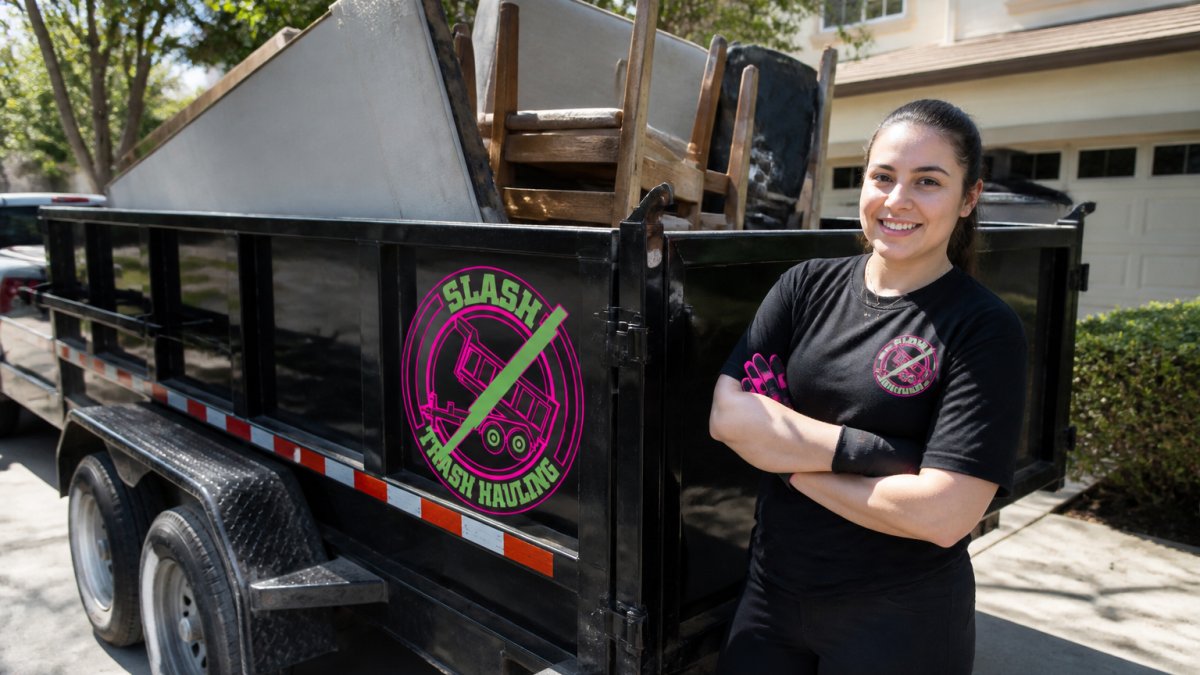
Finding the right debris removal partner streamlines your projects and protects your margins. Slash Trash Hauling specializes in construction debris removal and handles appliances, demolition scraps, and mixed waste with transparent pricing and reliable scheduling. Get a quote today and see how local expertise and dependable service compare to national platforms.