 how-to
Junk Removal Cost 2026: What You'll Actually Pay
Table of Contents
- What Junk Removal Actually Costs in 2026
- Junk Removal Cost Per Truckload: Breaking Down Load Sizes
- Junk Removal Cost by Item: What Different Debris Costs
- Factors That Change Your Final Price
- Getting an Accurate Junk Removal Estimate
- DIY Junk Removal Cost vs. Hiring a Service
- How to Reduce Your Junk Removal Costs
- Frequently Asked Questions
Last Updated: October 10, 2026
What Junk Removal Actually Costs in 2026
The cost of junk removal services in 2026 ranges widely depending on what you're throwing away and how much of it you have. According to Angi's 2026 junk removal cost guide, the average professional junk removal cost sits around $241, though prices can swing from as low as $100 to over $800 for larger jobs.
Here's what matters: most junk removal pricing works one of two ways. You either pay based on the volume of stuff you're removing (measured in truck load size), or you pay per item for smaller pickups. Neither approach is inherently cheaper, it depends on what you're actually hauling away.
The national estimate from Thumbtack's 2026 junk removal pricing guide shows most people pay around $199 for a typical job. But that number masks huge variation. A single old couch costs far less than filling an entire truck with renovation debris.
The real cost depends on three things: how much stuff you have, what type of debris it is, and how accessible your property is. We'll break down each factor so you can estimate what you'll actually pay.
Junk Removal Cost Per Truckload: Breaking Down Load Sizes
Load-based pricing is the most common model in the junk removal industry. You pay for the truck space you use, not the weight or item count. This approach works well when you have a lot of mixed debris.
A quarter-load truck typically costs $150-$300 and handles roughly 25% of a full truck's capacity. This works for a single room cleanout or a small renovation project. A half-load runs $250-$550 and doubles the space. Full truckloads cost $550 or more, depending on what you're removing and local market rates.
The volume-based pricing model from QuoteIQ's junk removal cost calculator shows these load-size ranges help contractors and homeowners estimate costs before calling for quotes. But here's what most guides miss: the lowest tier, a one-eighth load, starts at just $100-$175. That's your entry point if you only have a few items.
Why does load size matter more than weight? Because junk removal trucks have fixed overhead costs. The driver, fuel, and labor are the same whether you're filling the truck 50% or 100%. You're paying for access to that capacity, not by the pound.
Junk Removal Cost by Item: What Different Debris Costs
Single-item pickups follow a different pricing structure. Instead of paying for truck space, you pay a flat fee per item or a small-load surcharge.
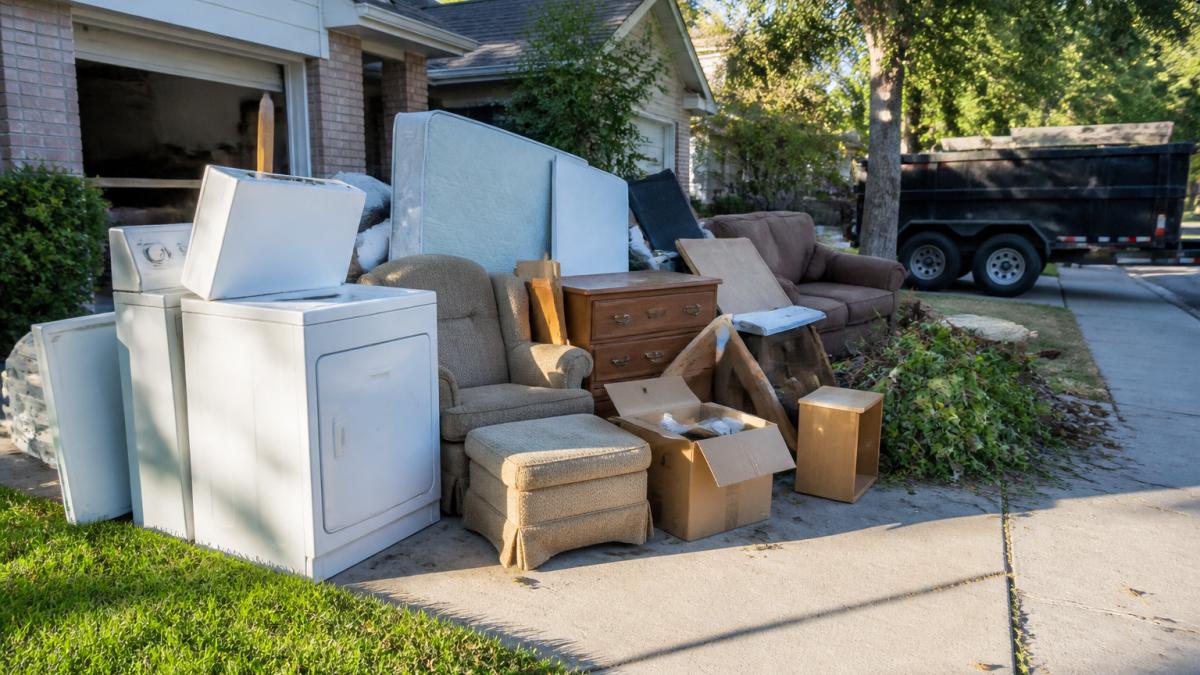
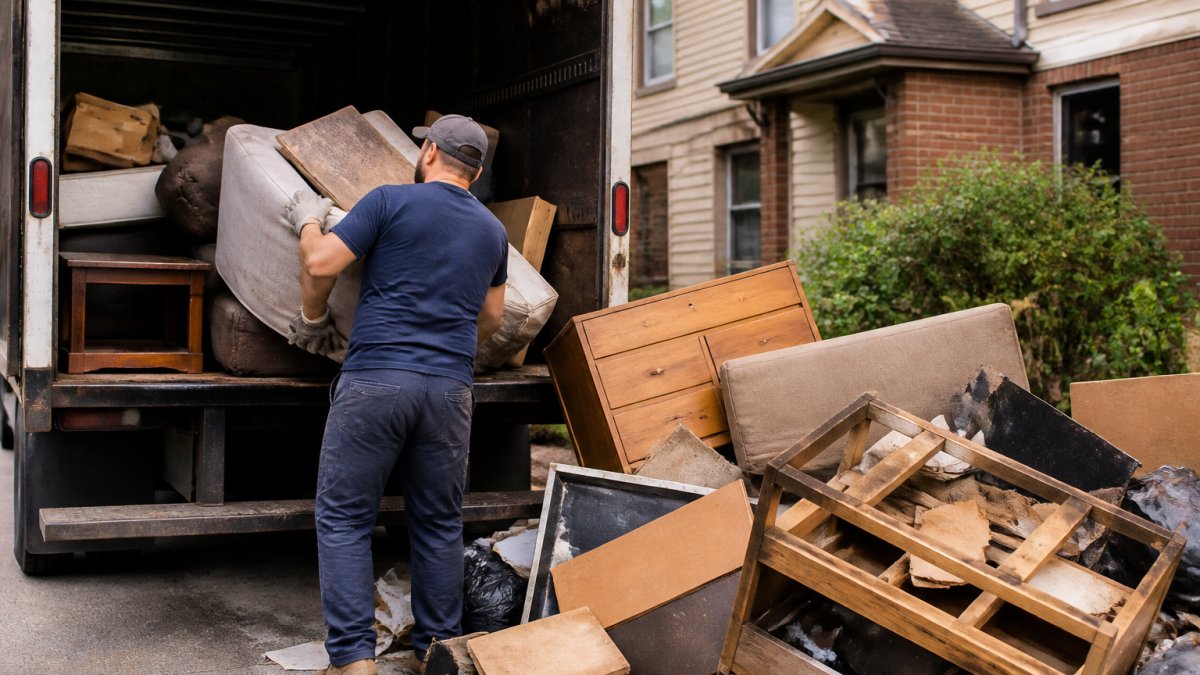
Old furniture is one of the most common single-item removals. A couch or dresser typically runs $75-$150 for pickup. Appliances cost more because of disposal regulations. Refrigerators, washing machines, and air conditioning units require special handling and proper disposal, so expect $100-$200 per unit.
Yard waste and construction debris sit in the middle. A load of branches, mulch, or drywall scraps costs $150-$400, depending on volume. Electronics like old TVs and computers have recycling requirements, so they often run $50-$150 each.
Here's the thing most homeowners don't realize: hazardous materials change everything. If your load includes anything with asbestos, lead paint, or refrigerant, disposal costs jump significantly. That's not a junk removal company being greedy, it's regulatory compliance. Proper disposal of hazardous waste is required by law.
Factors That Change Your Final Price
Several variables shift your quote up or down from the baseline estimates. Understanding them helps you get accurate pricing before committing.
Volume and weight. More stuff costs more. A garage cleanout with 15 boxes and old furniture runs different than a full estate cleanout with furniture, appliances, and decades of accumulated items.
Item type and disposal requirements. Standard furniture and household goods are straightforward. Appliances with refrigerant, electronics with circuit boards, or materials containing asbestos require special handling and certified disposal. That adds cost.
Property access. If your junk is easy to reach, sitting in a driveway or ground-floor garage, removal is faster and cheaper. If it's in a basement, up multiple flights of stairs, or behind a locked gate, labor time increases and so does your bill.
Local market rates. San Jose and surrounding areas have different pricing than rural counties. Urban markets have more competition and higher overhead, which affects what companies charge.
Timing and scheduling. Same-day or rush removal costs more than scheduling a week in advance. Weekend pickups may carry a surcharge.
Getting an Accurate Junk Removal Estimate
Calling for quotes is free and takes 10 minutes. Here's how to get accurate estimates without surprises.
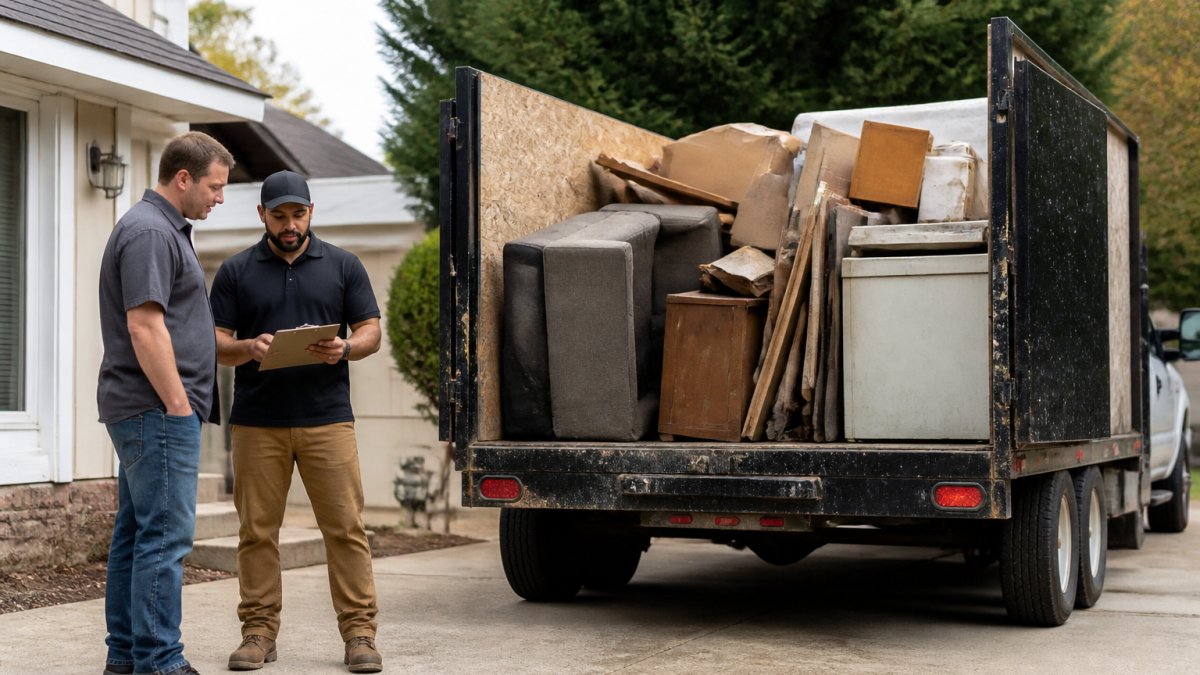
Describe what you're removing in detail. Don't just say "a bunch of stuff." Tell the company: three pieces of furniture, one refrigerator, 20 boxes of miscellaneous items, old garden equipment. Specificity matters because estimators use it to calculate truck load and labor time.
Take photos if possible. A picture of your garage or pile of debris helps the company quote accurately. Many junk removal services offer free in-home estimates where someone comes look at the job before giving a price.
Ask what's included in the quote. Does it cover labor to carry items from inside your home? Does it include disposal fees? Are there surcharges for hazardous materials or difficult access? Clarify upfront so the final bill matches the estimate.
Get multiple quotes. Different companies price differently based on their disposal partners, truck availability, and service area. Three quotes give you a realistic range for your specific job.
DIY Junk Removal Cost vs. Hiring a Service
Renting a dumpster is the main DIY alternative. A small 10-yard dumpster rents for $300-$500 per week, a 20-yard runs $400-$600, and a 30-yard costs $500-$800. You handle all the loading yourself.
The math seems simple: DIY looks cheaper. But it rarely is once you factor in your time and effort.
Hauling a refrigerator or heavy appliance yourself is physically demanding and risky. One wrong move causes injury or property damage. Disposal of hazardous materials becomes your liability, and your responsibility to do it legally. Construction debris, yard waste, and electronics all have disposal rules. If you dump them illegally, the fines are steep.
Professional junk removal handles all that. You point at what needs to go, and it's gone within hours. The service manages disposal, recycling, and donation logistics. For most homeowners and contractors, that convenience and peace of mind outweigh the cost difference.
How to Reduce Your Junk Removal Costs
Several strategies lower your bill without sacrificing service quality.
Sell or donate what you can. Items with resale value, furniture in good condition, working appliances, collectibles, can be sold online or donated. That reduces the volume the junk removal company hauls, lowering your cost.
Consolidate your load. If you're planning multiple cleanouts, combine them into one pickup. One trip costs less than three separate jobs.
Schedule in advance. Booking a week or two ahead gives the company scheduling flexibility, which often results in better pricing than same-day requests.
Remove items yourself where safe. If you can safely carry lighter items to the curb, that reduces labor time for the crew. Ask the company what you can pre-stage to save money.
Ask about bulk discounts. Some junk removal services offer discounts for large jobs or repeat customers. It never hurts to ask.
Separate recyclables. If your load includes metal, cardboard, or electronics, separating them sometimes qualifies for recycling credits that offset removal costs.
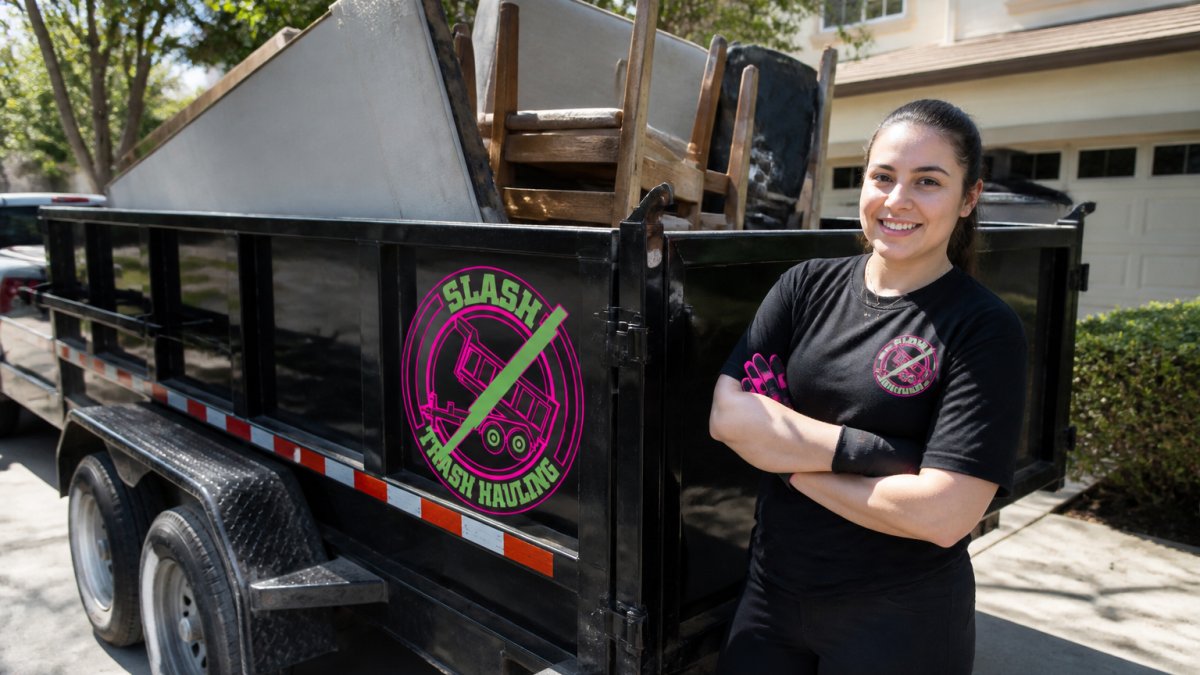
Junk removal pricing in 2026 depends on load size, item type, and your property's accessibility. Getting accurate quotes takes 10 minutes and costs nothing. Slash Trash Hauling handles furniture, appliances, construction debris, and yard waste removal across Stanislaus, Merced, and San Joaquin counties with reliable scheduling. Contact us for a free estimate and see how much your specific cleanout will cost.
| Load Size | Cost Range | Best For |
|---|---|---|
| 1/8 Truck | $100-$175 | Single items or small pickups |
| 1/4 Truck | $150-$300 | Small room cleanout |
| 1/2 Truck | $250-$550 | Garage or renovation debris |
| Full Truck | $550+ | Estate cleanout or large renovation |
Frequently Asked Questions
How much does junk removal cost in 2026?
National averages range from $100-$800+ per load. Angi reports an average of $241, while Thumbtack shows most people pay around $199. The actual junk removal cost depends on the amount of debris, item types, location, and whether you need same-day service. Single-item pickups typically start lower, while full truckloads cost significantly more. Get a quote from a local service for accurate pricing.
What factors affect junk removal cost per truckload?
Junk removal cost per truckload varies by load size and weight. Quarter-load estimates range $150-$300, half-load $250-$550, and full truckload $550 or more. Beyond volume, pricing depends on item type (appliances cost more than furniture), location accessibility, and labor required. Hazardous materials like refrigerators or AC units may add extra fees. Ask your service provider for a volume-based breakdown.
Is it cheaper to haul junk yourself or hire a removal service?
DIY junk removal costs include truck rental, fuel, disposal fees, and your time. A rental truck might cost $30-$75 per day plus fuel and tipping fees ($50-$200+). Professional removal at $199-$241 average includes labor, equipment, and proper disposal. For small loads, DIY can save money; for large jobs, heavy items, or hazardous materials, professional service saves time and avoids disposal complications. Calculate your time value before deciding.
How do I get an accurate junk removal estimate?
Contact a local junk removal service and describe your items by type and quantity, or request an in-person walkthrough. Many services offer free estimates. Provide details about accessibility, stairs, and any hazardous materials. Compare estimates from multiple providers. Online calculators can give a ballpark figure, but a professional estimate accounts for your specific situation and local pricing, ensuring no surprises on service day.