 how-to
Junk Removal for Rental Property Cleanouts: How-To
Table of Contents
- Junk Removal for Rental Property Cleanouts: What You'll Need Before You Start
- Step 1: Build a Landlord Cleanout Checklist
- Step 2: Handle Tenant Belongings Left Behind in California
- Step 3: Schedule Tenant Move-Out Junk Removal
- Step 4: Understand Junk Removal Cost in San Jose
- Step 5: Common Mistakes That Slow Down a Rental Cleanout
- Conclusion
- Frequently Asked Questions
Last Updated: October 8, 2026
Junk Removal for Rental Property Cleanouts: What You'll Need Before You Start
A rental unit never empties itself. Tenants leave furniture, appliances, bags of clothes, and sometimes a garage full of things nobody wants to claim. Junk removal for rental property cleanouts is the process of clearing all of that out fast, legally, and without damaging the unit before the next tenant moves in. This guide walks you through the full process from the first walkthrough to the final haul-away.
Here's the short version: most cleanouts go wrong because the landlord skips the paperwork or underestimates the volume. Both are fixable.
Before you touch anything, gather these:
- A phone with a camera and good lighting
- A notepad or notes app for the inventory
- Work gloves, trash bags, and a broom
- Your lease agreement and any move-out paperwork
- A tape measure for large items
Step 1: Build a Landlord Cleanout Checklist
A landlord cleanout checklist keeps the job organized and protects you if a former tenant disputes charges. Start with the walkthrough, then sort everything before anything leaves the unit.
Your checklist should cover five things: document the condition, photograph everything, price the damage, sort the contents, and schedule the haul. Skip a step and you'll pay for it later, either in lost deposit money or in a dispute you can't win.
Document, Photograph, and Price the Damage
Walk the unit room by room with your phone out. Take wide shots of each room first, then close-ups of any damage. Capture the same angle twice if you're unsure.
Note these items in writing:
- Holes in walls or doors
- Stains on carpet or flooring
- Broken fixtures, blinds, or cabinets
- Appliances that don't work
- Missing items that came with the unit
Price each item against your move-out policy. Normal wear and tear is not damage. A worn carpet is wear. A burned carpet is damage. Know the difference before you deduct anything.
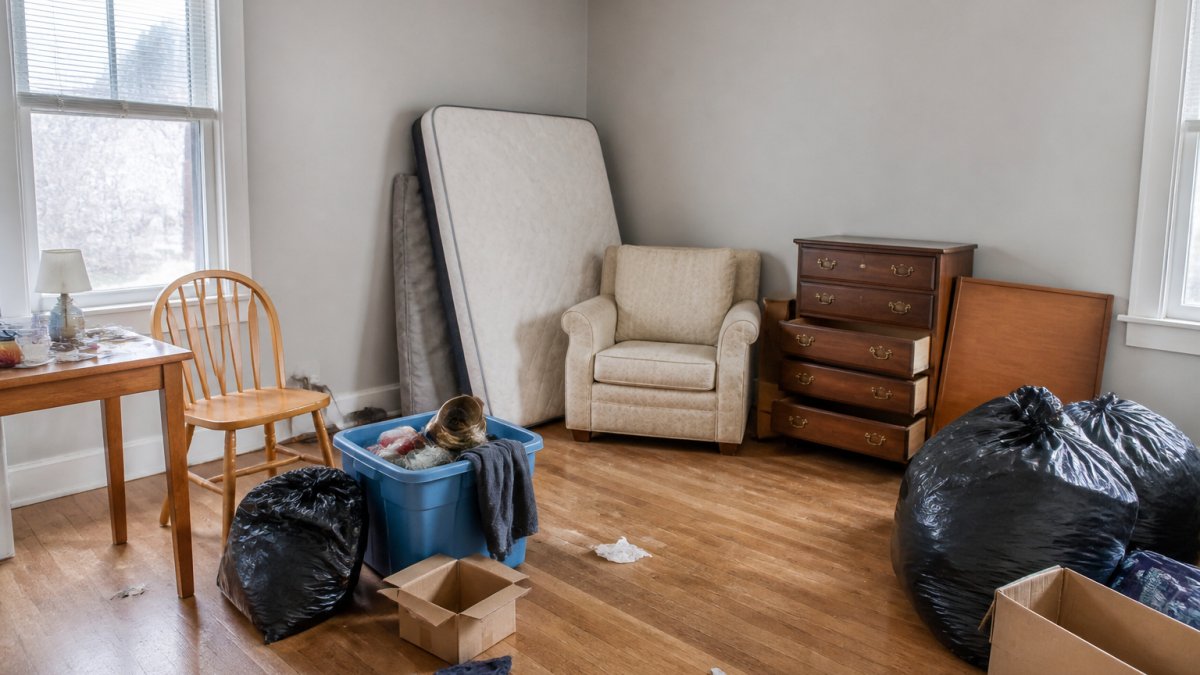
Sort the Unit Into Four Piles
Sorting is the step most landlords rush. Don't. Four piles keep the job clean:
- Trash, broken items, food waste, anything unsalvageable
- Donate, usable furniture, clothing, working appliances
- Keep, items the tenant may still claim, or your own property
- Recycle, cardboard, metal, electronics where accepted
Label each pile with tape or signs. This matters most when a tenant's belongings are still in the unit.
Step 2: Handle Tenant Belongings Left Behind in California
Tenant belongings left behind in California follow a specific legal process. You cannot simply throw everything away the day after move-out. California law treats abandoned personal property as something you must handle carefully, and getting it wrong can cost you more than the junk is worth.
What California Law Says About Abandoned Property
California Civil Code Section 1980 and the sections that follow set the rules for abandoned property. You must send a written notice to the tenant's last known address. The notice tells them what was left, where it's stored, and how long they have to claim it.
Key points to know:
- Send notice by certified mail, return receipt requested
- Give the tenant a set window to respond, based on the value of the property
- If the property is worth little, you may be able to dispose of it after the notice period
- If it's valuable, you must store it and may be able to charge storage costs
- Never sell or keep tenant property without following the process
The exact dollar thresholds and notice periods are set by statute and can change. Check the current text of the California Civil Code on abandoned property before you act.
Step 3: Schedule Tenant Move-Out Junk Removal
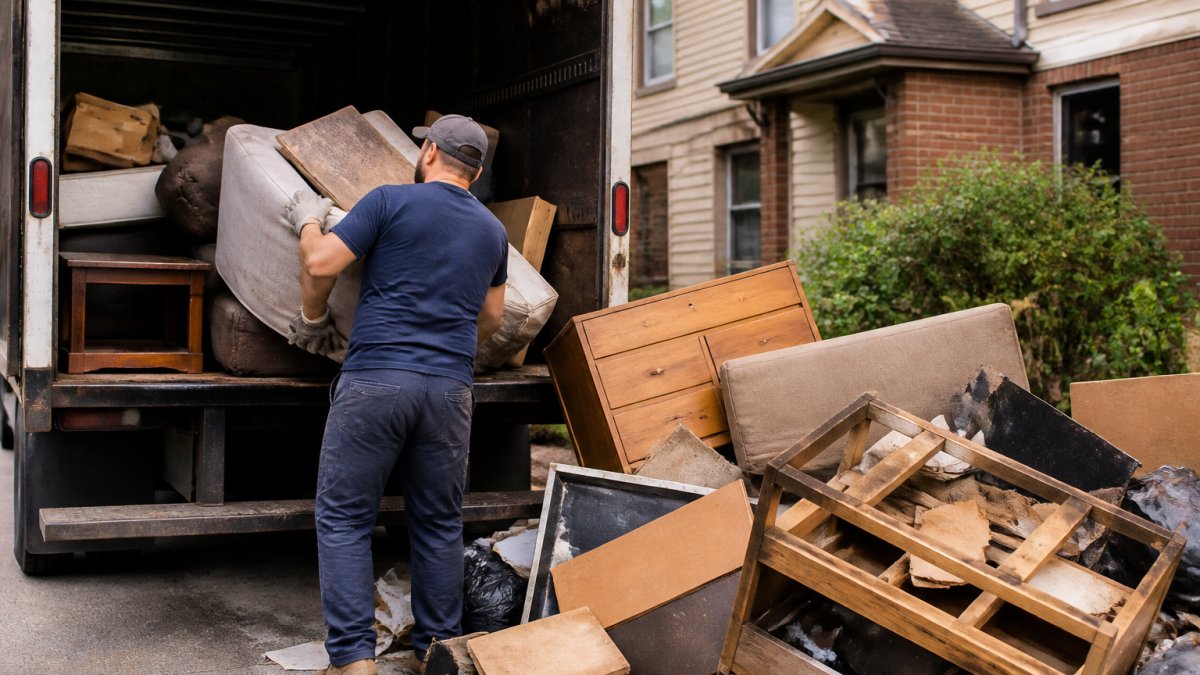
Tenant move-out junk removal works best when you schedule it after the notice period ends and before your next showing. Pick a day with clear access to the unit, and confirm the crew knows what they're taking.
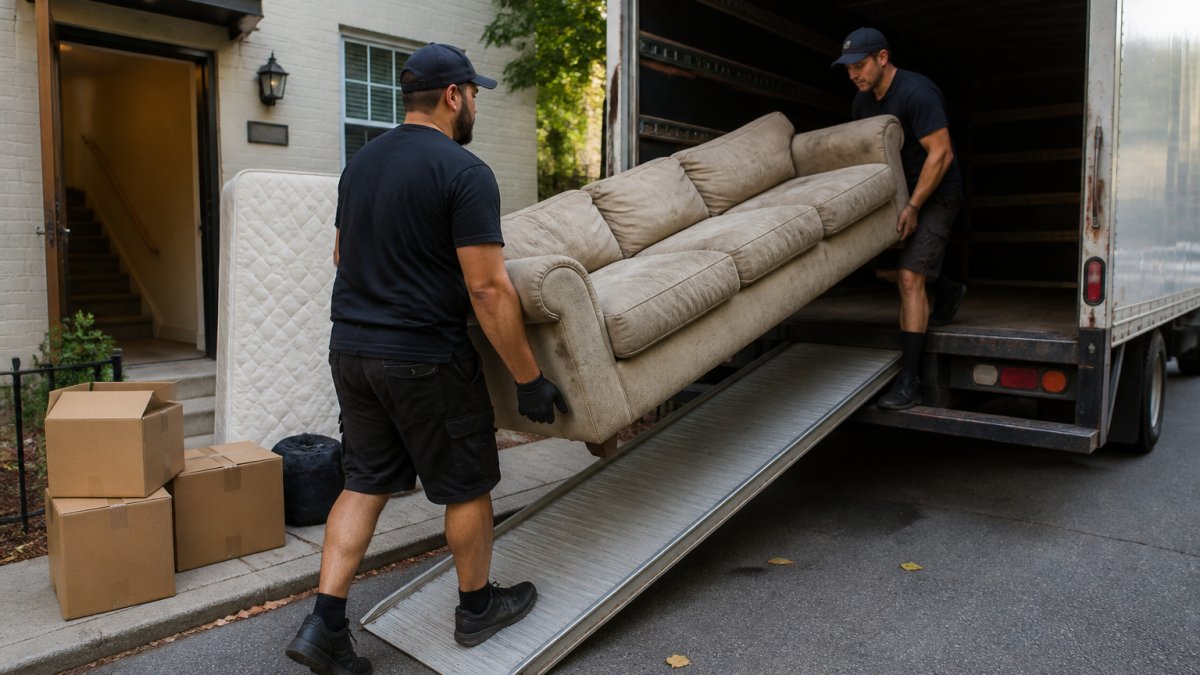
Before the crew arrives:
- Move everything to one accessible spot, like the garage or front room
- Keep the four piles separated so nothing gets taken by mistake
- Clear the driveway and walkway for the truck
- Confirm parking rules if the unit is on a busy street
If your property is tucked back off the road or has a narrow driveway, tell the hauler when you book. A good crew will plan for it.
Step 4: Understand Junk Removal Cost in San Jose
Junk removal cost in San Jose depends on volume, access, and what's being removed. There's no single flat rate. A single couch costs less than a full unit of furniture, appliances, and debris.
Pricing usually reflects:
- How much space your items take up in the truck
- Whether items are heavy or bulky, like appliances and mattresses
- How easy it is to reach the items
- Whether you need same-day or scheduled service
Ask for an estimate based on photos or an on-site look.
California's rules on appliance and e-waste disposal affect what can go in a landfill, so some items need special handling. A full-service hauler takes care of that for you.
Dumpster Rental vs. Full-Service Hauling
| Factor | Dumpster Rental | Full-Service Hauling |
|---|---|---|
| You do the loading | Yes | No |
| Best for | Small, light debris | Furniture, appliances, full units |
| Permit needed | Often, for street placement | No |
| Labor required | High | None |
| Best for landlords who | Have time and help | Want it gone fast |
For a full rental cleanout, full-service hauling usually wins. You skip the permit, the lifting, and the trip to the transfer station.
Step 5: Common Mistakes That Slow Down a Rental Cleanout
Rushing the legal steps tops the list. Landlords who skip the abandoned property notice, or who toss items the day after move-out, create bigger problems than the junk itself.
Other mistakes we see often:
- No photos before hauling. You lose your evidence for deposit claims.
- Mixing keep and trash piles. Something important gets hauled away.
- Forgetting appliances. Fridges and AC units need special handling.
- Booking without checking access. The truck can't reach the unit.
- Waiting too long. A unit sitting empty costs you rent every day.
Conclusion
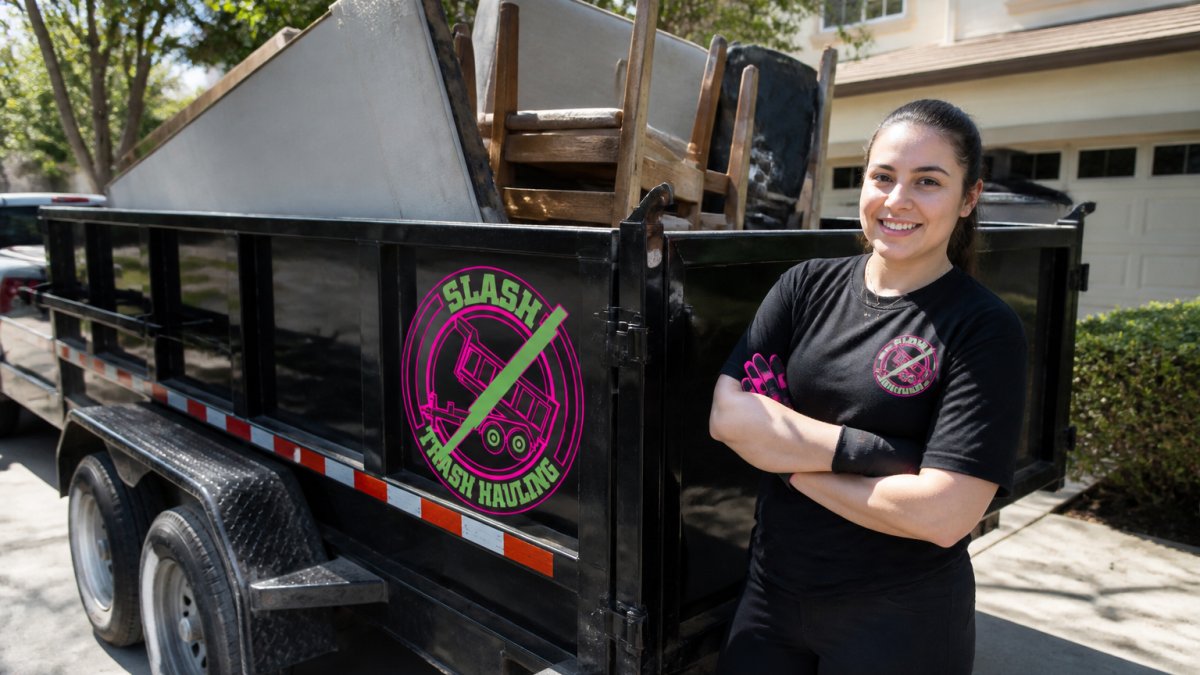
The hardest part of a rental cleanout isn't the junk. It's the timing, the paperwork, and the logistics all landing at once. Slash Trash Hauling helps landlords and property managers clear units fast, with full-service hauling for furniture, appliances, and debris. We handle the loading, the disposal, and the heavy items so you can get the unit back on the market. Get started with Slash Trash Hauling and turn a vacant unit into a rentable one.
Frequently Asked Questions
What should landlords do with items left behind by tenants in California?
California law treats abandoned personal property differently from trash, so you can't just haul it to the curb. Send a written notice to the tenant's last known address, store items of apparent value, and photograph everything before removal. Ordinary trash and clearly worthless items can usually be discarded, but electronics, documents, and furniture generally require notice and a holding period. When in doubt, check with a local attorney before disposal. Full-service junk removal for rental property cleanouts can handle the haul-away once your notice period ends.
How much does junk removal for a rental property cleanout cost in San Jose?
Pricing depends on volume, weight, access, and how much of the load is appliances or construction debris. A single-room cleanout costs less than a full-house turnover with appliances. Request a walkthrough or send photos for an accurate number. Avoid comparing flat online rates from national franchises; those often exclude heavy items like refrigerators and mattresses, which get surcharged on the final invoice.
Can junk removal services take appliances and furniture from a rental?
Yes. Refrigerators, washers, dryers, stoves, water heaters, mattresses, and sofas are standard items for a hauling crew. California requires proper handling of refrigerants in fridges and AC units, so confirm your hauler is equipped for that. Some items, like paint, motor oil, and asbestos-containing materials, fall under household hazardous waste rules and need a separate drop-off at a facility rather than curbside pickup.
How quickly can a rental property cleanout be completed?
A single-unit cleanout usually finishes in a few hours once the crew arrives, assuming truck access and no hoarding-level volume. Multi-unit turnovers or properties with heavy debris can take a full day or require a second trip. Book after your notice period ends and after you've photographed the unit for the deposit file. Scheduling early in the week gives you buffer if the hauler needs to return for a second load of tenant move-out junk removal.