 how-to
Junk Removal for Small Renovations: A Homeowner's Guide
Table of Contents
- What Counts as Renovation Debris
- Bathroom Remodel Debris Removal: What to Expect
- Construction Debris Removal: Handling Contractor Projects
- Junk Removal Cost: What Affects Your Price
- Dumpster Rental vs. Junk Removal: Which Works for Small Renovations
- How to Prepare Your Renovation Debris for Pickup
- Scheduling and Logistics: Timing Your Junk Removal
- Frequently Asked Questions
Last Updated: October 17, 2026
What Counts as Renovation Debris
Renovation debris is any waste material left over from home improvement or construction projects. When you're tackling a small renovation in San Jose or the surrounding areas, understanding what qualifies as renovation debris helps you prepare for junk removal for small renovations and know what your hauling service can handle.
Small renovation projects generate surprisingly diverse waste streams. Drywall scraps, old flooring materials, wood trim, cabinet pieces, and fixture remnants all fall into this category. Paint cans, insulation, roofing shingles, and plumbing fixtures also count. The key distinction is that these materials come from intentional demolition or replacement during a renovation, not everyday household junk.
Common Materials from Small Projects
Most bathroom remodels produce drywall, old tile, fixtures, and plumbing scraps. Kitchen renovations generate cabinet pieces, countertop material, and flooring waste. Flooring projects leave behind old carpet, laminate, hardwood, or tile. Roofing work creates shingles and underlayment. Painting and trim work produce wood scraps, old trim boards, and paint cans.
These materials vary in weight and volume. Drywall is bulky but relatively light. Old tile and concrete are heavy. Wood can be anything from lightweight trim to dense hardwood planks. Understanding your specific waste mix helps you communicate with your junk removal provider about what to expect.
Hazardous Materials to Flag Early
Some renovation debris requires special handling. Lead paint from homes built before 1978 needs certified disposal. Asbestos in old insulation, floor tiles, or pipe wrap is a serious hazard. Refrigerants from old HVAC systems demand professional removal. Treated wood with chemical preservatives may need special disposal.
If your home was built before the late 1980s, assume older materials might contain hazardous substances. Tell your junk removal team about any materials you suspect could be problematic. Many providers in San Jose handle standard renovation debris but may refer hazardous materials to specialized disposal services. Being upfront prevents surprises and keeps everyone safe.
Bathroom Remodel Debris Removal: What to Expect
A typical bathroom remodel generates 8 to 15 cubic yards of waste, depending on the scope. According to Angi's 2026 junk removal cost data, professional junk removal costs average $241 nationally, though the final price depends on volume and debris type. For bathroom remodels specifically, you'll typically haul out old fixtures, tile, drywall, flooring, and cabinetry.
Bathroom remodel debris removal involves removing old vanities, toilets, tubs or showers, flooring materials, wall tile, drywall, and trim. If you're also updating plumbing or electrical, you may have copper pipe, old wiring, and related scraps. The debris is usually heavier than typical household junk because tile and fixtures are dense.
Start by identifying what's staying and what's going. Salvageable fixtures can sometimes be donated or resold. Everything else, broken tile, old drywall, damaged flooring, gets hauled away. Many junk removal services offer same-week or next-week pickup, which fits well with renovation timelines.
Construction Debris Removal: Handling Contractor Projects
Construction debris removal covers larger-scale work: additions, major renovations, or full-room overhauls. If you're hiring a contractor for a significant project, debris removal is a critical logistics piece. According to Gitnux's industry statistics, construction-debris removal accounts for 22% of the junk removal market and has grown 9.2% in recent years, reflecting the steady demand for professional waste management on renovation sites.
Contractors often handle their own debris, but some pass that responsibility to the homeowner. Clarify this in your contract before work begins. If you're responsible, schedule your junk removal service to arrive shortly after the contractor finishes major demolition. This keeps your property clear and safe while remaining work continues.
For contractor projects, access matters. Your junk removal crew needs a clear path to load materials efficiently. Let them know about any site constraints, narrow driveways, gates, or limited parking. A good service provider will work around these obstacles, but advance notice prevents delays.
Junk Removal Cost: What Affects Your Price
Junk removal cost varies based on volume, material type, accessibility, and timing. LoadUp's 2026 pricing guide notes that pickups start at $70, though most homeowners pay between $133 and $372 for typical jobs. For renovation debris specifically, costs tend toward the higher end because materials are bulky and heavy.
Several factors drive pricing:
- Volume and weight: More debris costs more. Tile and concrete are heavier than drywall, so they may cost more per cubic yard.
- Material mix: Hazardous materials require certified disposal, increasing costs.
- Access: If your property is tucked back off the road or has a long driveway, crews may charge more.
- Timing: Rush service or weekend pickups sometimes carry premiums.
- Local market: San Jose pricing reflects the Bay Area's higher cost of living compared to other regions.
Get a quote before committing. Most reputable junk removal services offer free estimates based on photos or an in-person assessment. This removes guesswork and helps you budget accurately.
Dumpster Rental vs. Junk Removal: Which Works for Small Renovations
Dumpster rental vs. junk removal is a common decision for homeowners. Each has advantages depending on your project scope and timeline.
Dumpster rental works best for large, extended projects where you generate debris over weeks. You rent a container, fill it at your own pace, and the company hauls it away when full or when your rental period ends. Dumpsters work well if you're doing the demolition yourself and want flexibility.
Junk removal services are better for smaller projects or when you want a one-time pickup. You schedule a date, the crew arrives, loads your debris, and leaves. No long-term rental commitment. For small renovations in the region, this is often more convenient and cost-effective than renting a dumpster for a week or more.
Consider these factors:
- Project duration: Multi-week projects favor dumpsters. Single-week projects favor junk removal.
- Space constraints: Dumpsters need dedicated space. Junk removal requires only access for loading.
- Debris volume: Very large volumes may justify a dumpster. Moderate volumes work with standard junk removal.
- Budget: Dumpsters have fixed weekly costs. Junk removal charges per load, so a single pickup is usually cheaper than a week-long dumpster rental.
For most small renovations in the region, junk removal for small renovations offers better flexibility and lower cost.
How to Prepare Your Renovation Debris for Pickup
Preparing your debris makes the junk removal process faster and safer. Proper organization also helps crews work efficiently, which can reduce your overall cost.
Organizing Materials by Type
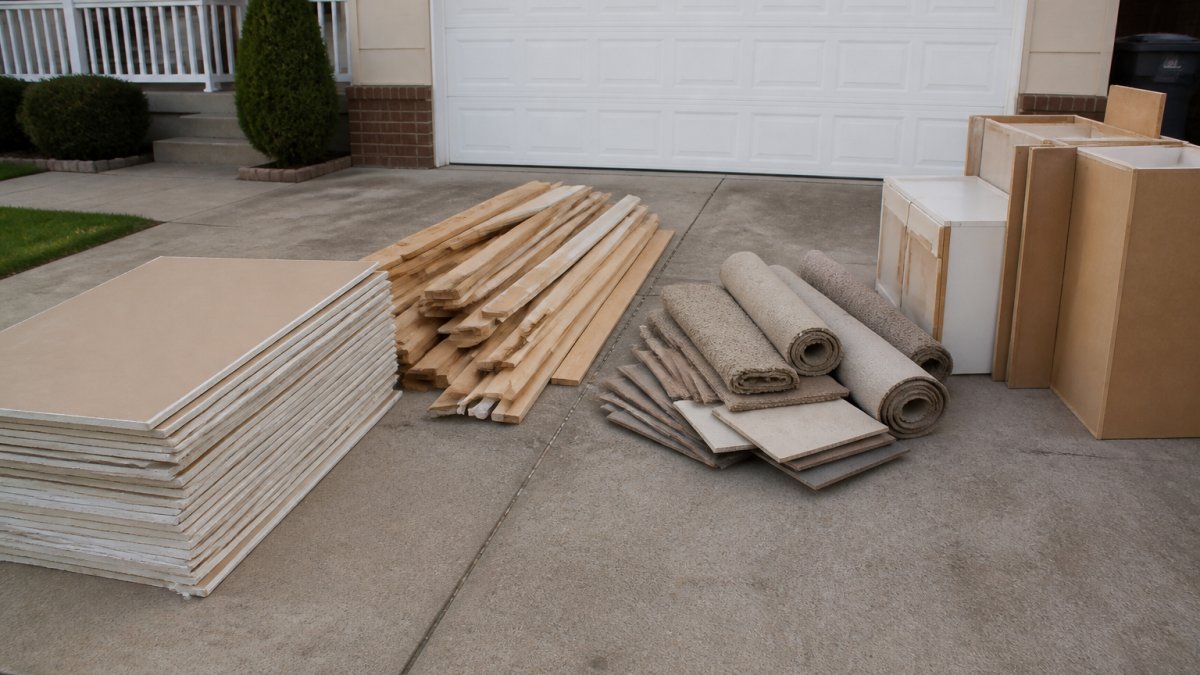
Sort debris into categories: drywall, wood, tile, flooring, fixtures, and metal. This helps crews load efficiently and ensures materials get to the right disposal or recycling facility. Drywall goes to one place, wood to another, metal to a recycler.
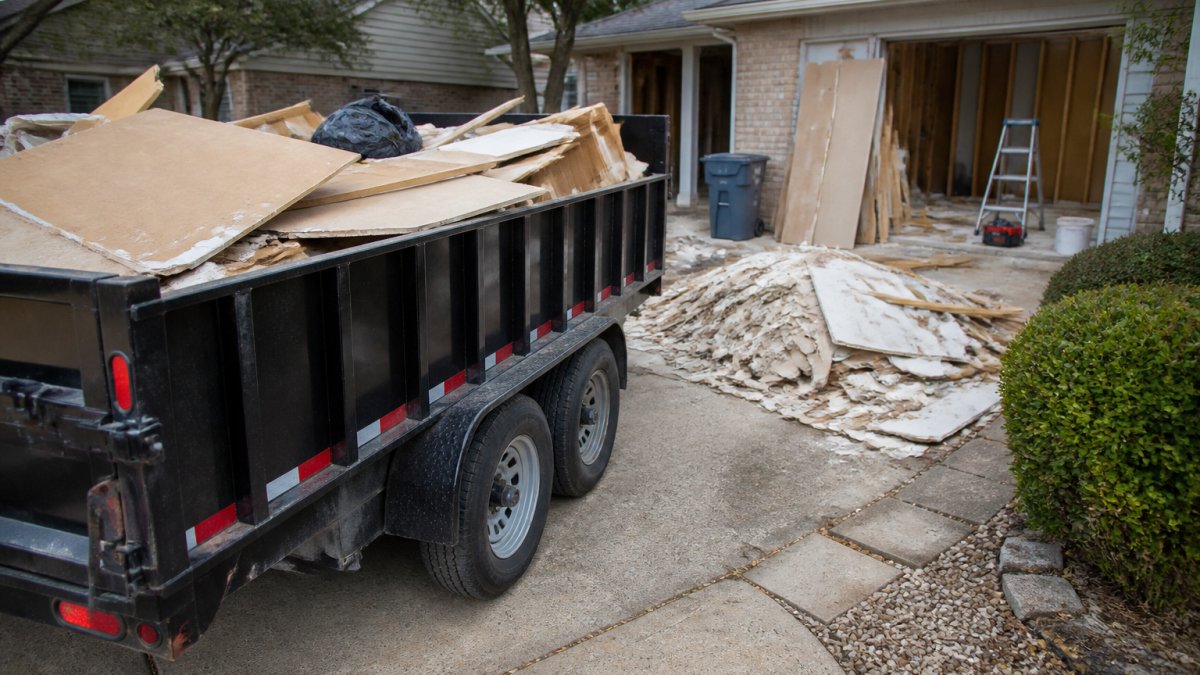
Stack similar items together. Lean drywall sheets against each other rather than scattering them. Bundle wood scraps with twine or rope. Group tile and flooring materials in one area. This takes minimal effort but saves your hauling crew significant time.
Creating Safe Access for the Hauling Crew
Clear a path from your debris pile to the truck. Remove obstacles like garden hoses, parked cars, or outdoor furniture. Make sure gates or side-yard entrances are unlocked and wide enough for equipment. If your driveway is narrow, mention this when booking so the crew can bring appropriately sized vehicles.
Keep children and pets away during pickup. Junk removal involves heavy lifting and moving vehicles, it's not a safe environment for bystanders. A clear, safe work area protects everyone and speeds up the job.
Scheduling and Logistics: Timing Your Junk Removal
Schedule your junk removal after major demolition is complete but before finishing work begins. This clears your space and prevents debris from interfering with the next phase of your project.
Most services offer flexible scheduling, weekday, weekend, morning, or afternoon slots. If your contractor is working on-site, coordinate timing so debris removal doesn't disrupt their workflow. Some homeowners schedule pickup the day demolition finishes; others wait until they've accumulated a full load.
Confirm details 24 hours before your appointment: exact address, access instructions, debris location, and any special handling needs. A quick phone call prevents missed appointments and ensures the crew shows up prepared.
Frequently Asked Questions
What renovation debris can a junk removal service take?
Most junk removal services handle standard renovation waste including drywall, flooring, wood scraps, tile, cabinets, countertops, and old appliances. Some materials like asbestos, lead paint, or refrigerants require specialized disposal and should be disclosed upfront. Always confirm what your service accepts before scheduling, hazardous materials may need separate handling or professional remediation contractors.
How much does junk removal for a small renovation cost?
Final pricing depends on the quantity of materials, the specific waste types, and your location. For an accurate quote tailored to your small renovation project, contact your local junk removal provider directly to discuss your debris and get a personalized estimate.
Is it cheaper to rent a dumpster or hire junk removal for a small renovation?
For small renovations, junk removal often costs less upfront since you pay only for what you have hauled away. Dumpster rentals charge a flat fee regardless of how full the bin gets, making them better for larger projects generating continuous debris. Junk removal offers convenience, no need to load the bin yourself, while dumpsters work well if you're managing debris over several days and have space on your property.
How should I prepare renovation debris for pickup?
Sort materials by type when possible and stack them safely away from walkways. Separate hazardous items like old appliances or paint cans and disclose them to your service provider. Ensure the hauling crew has clear access to your property and can reach the debris without obstacles. If you have limited property access, inform the service in advance so they can plan accordingly and bring appropriately sized equipment.
Renovation debris piles up fast, and managing it yourself wastes time and effort. At Slash Trash Hauling, we handle junk removal for small renovations across San Jose and the surrounding region, removing drywall, fixtures, flooring, and all the materials your project generates. We show up on schedule, load everything safely, and haul it away so you can focus on finishing your renovation. Contact Slash Trash Hauling today for a free estimate and get your debris cleared this week.