 how-to
How to Dispose of an Old Refrigerator Safely
Table of Contents
- Why Refrigerator Disposal Is Not a Curbside Job
- How to Prepare a Refrigerator for Disposal
- Refrigerant Recovery: The Step You Should Never Skip
- Refrigerator Recycling in San Jose: What Actually Happens
- Old Refrigerator Pickup in San Jose: Your Options
- Mistakes That Turn a Simple Disposal Into a Hazard
- Conclusion: Get It Gone the Right Way
- Frequently Asked Questions
Last Updated: October 9, 2026
Why Refrigerator Disposal Is Not a Curbside Job
According to United Electronic Recycling's 2024 disposal data, about 9 million refrigerators and freezers are thrown out in the United States each year. Knowing how refrigerator disposal works matters because that unit is not normal trash. It holds refrigerant, oil, and a sealed compressor that can turn a simple curb drop into a fine or an injury.
The rule is simple: never treat a fridge like a couch.
So why is the curb a bad idea?
- Refrigerant is a controlled gas. It must be captured, not vented.
- The doors can seal shut and trap a child or pet inside.
- Many cities, including San Jose, will not collect a fridge as bulk trash.
- Leaving one out can mean a citation and a cleanup bill.
Below, we'll walk through the full process, from prep to pickup, so you can get rid of an old refrigerator safely and legally.
How to Prepare a Refrigerator for Disposal
Preparing a refrigerator for disposal means three things: empty it, defrost it, and secure the doors. Skipping any of these makes the unit heavier, messier, or more dangerous to move.
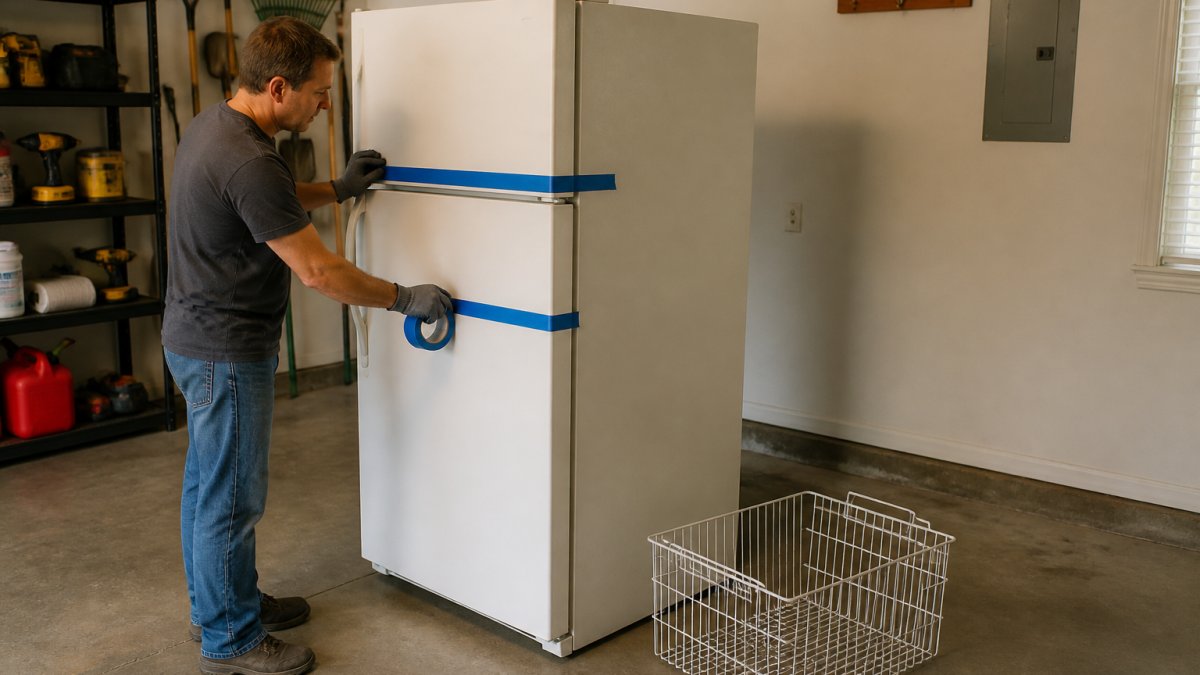
Here is how we prep a unit before it leaves the property:
- Unplug it at least 24 hours ahead so the compressor settles.
- Pull out every shelf, drawer, and bin.
- Empty the ice maker and drain the water line.
- Let it defrost fully, then towel out the inside.
- Tape both doors shut with painter's tape.
Empty It, Defrost It, and Secure the Doors
A fridge that still holds food will smell within a day. A fridge that still holds water will leak across your floor and into your truck bed.
Once the unit is empty, dry, and taped, it is ready for pickup.
Refrigerant Recovery: The Step You Should Never Skip
Refrigerant recovery is the process of capturing the coolant gas from a refrigerator before the unit is scrapped. This step is required by federal law, and it is the single biggest reason a fridge cannot go in your regular trash.
The coolant in most fridges is a hydrofluorocarbon. If it vents to the air, it traps heat far more effectively than carbon dioxide. ENERGY STAR's appliance recycling guidance notes that proper recovery is central to any utility-led recycling program.
A 1994 ACEEE study on appliance recycling programs made the same point decades ago: without refrigerant management, a recycling program is just a scrapping program.
A 2024 study in MDPI's Sustainability journal documented a two-stage process for recovering materials from 100 refrigerators. The team removed the cooling compressors first, then extracted the oil and coolant. That is the model to expect from any legitimate recycler.
Refrigerator Recycling in San Jose: What Actually Happens
Refrigerator recycling in San Jose follows a set chain once the unit leaves your property. A certified facility captures the refrigerant, pulls the compressor, drains the oil, and separates the steel, plastic, and foam for resale.
The MDPI study tracked this exact flow. The Rekular GmbH team processed 100 refrigerators through a two-stage system, and the result was recovered metal, oil, and coolant rather than a landfill load.
What that means for you:
- Steel and plastic get sold back into the manufacturing stream.
- Oil and coolant get handled by a licensed processor.
- Foam insulation gets processed separately.
- Nothing goes to the curb.
If a hauler cannot tell you where your fridge ends up, that is a red flag. Ask for the name of the facility before you hand over the unit.
Old Refrigerator Pickup in San Jose: Your Options
Old refrigerator pickup in San Jose comes down to four real options. Each one has a different cost, timeline, and level of hassle.
| Option | How It Works | Best For | Watch Out For |
|---|---|---|---|
| Retailer haul-away | Store takes the old unit when it delivers a new one | Buying a replacement fridge | Only offered at time of delivery |
| Utility rebate program | Utility pays you to retire an old unit | Working, energy-hogging fridges | Eligibility rules and proof required |
| Municipal bulk pickup | City schedules a bulky-item collection | Renters with curb access | Fridges often excluded |
| Hauling service | Crew removes the unit from inside your home | Tight access, rentals, estates | Confirm refrigerant handling |
Tasting Table's 2024 report on retailer take-back found that major retailers now routinely offer haul-away when you buy a new appliance. That is the easiest path if you are already shopping.
Utility programs are the other common route. Many utilities run free pickup or rebate offers to retire older, inefficient fridges, per ENERGY STAR. But these programs usually want a working unit and proof of ownership.
When to Call a Hauling Service Instead
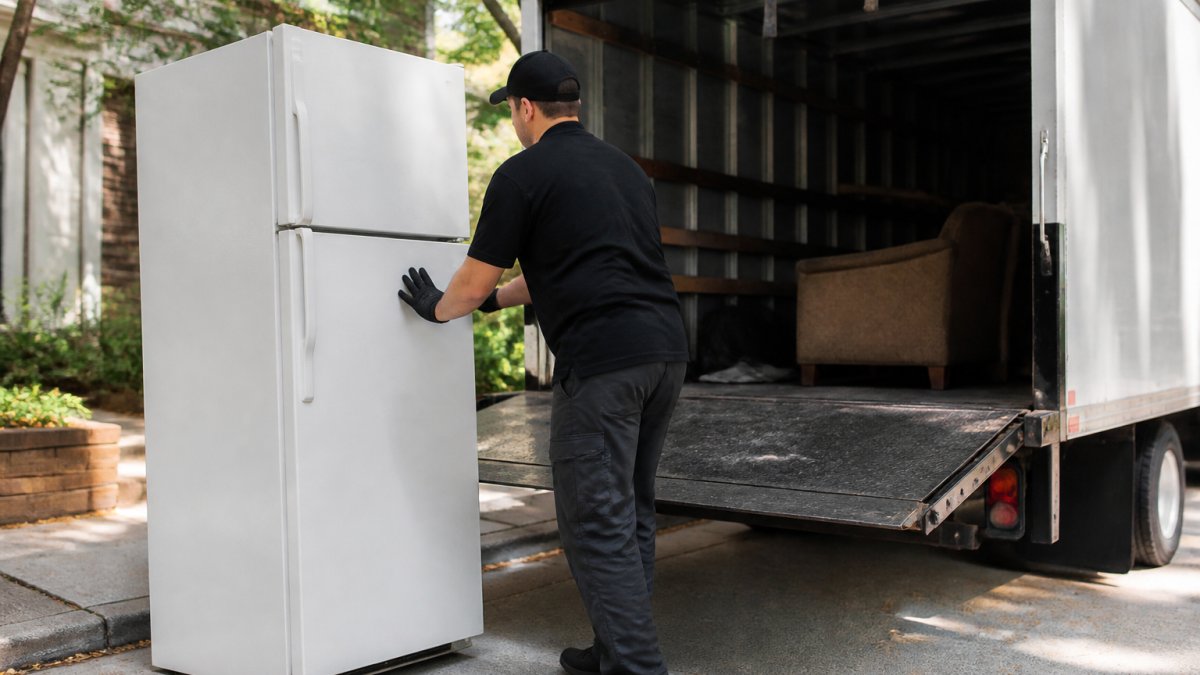
Call a hauling service when the fridge is in a basement, behind a tight gate, or part of a bigger cleanout. Curbside pickup does not help if the unit is stuck in a back bedroom.
We pull the unit, load it, and route it to a facility that recovers the refrigerant properly.
Mistakes That Turn a Simple Disposal Into a Hazard
The most common mistake is leaving the fridge on the curb overnight. GoRecycle's 2024 disposal guidance warns against it directly: the unit is an environmental and safety hazard, not standard household garbage.
Other mistakes we see:
- Dragging a fridge on its side and cracking the coolant line.
- Skipping defrost and soaking the truck and floor.
- Handing the unit to an unlicensed hauler who vents the gas.
- Assuming the city will take it as bulk trash.
Each one costs money, time, or both. The fix is to plan the pickup before the fridge leaves the wall.
Conclusion: Get It Gone the Right Way
An old fridge is one of the few household items that genuinely needs a trained hand to remove. The refrigerant alone makes it a job for a licensed crew, not a weekend project.
If you are in San Jose or anywhere across Stanislaus, Merced, or San Joaquin counties, Slash Trash Hauling can handle the whole job. We remove appliances, furniture, and demolition debris, and we work with landlords and contractors on rental and renovation cleanouts. Get started with Slash Trash Hauling and get that fridge out of your garage the right way.
Frequently Asked Questions
How do I safely prepare an old refrigerator for disposal?
Unplug it at least 24 hours ahead so the refrigerant lines settle and any ice melts. Empty every shelf and drawer, then defrost the freezer and wipe it dry to prevent mold. Tape the doors shut with painter's tape, or remove them entirely if the unit will sit outside. Move it away from the wall so movers have clearance, and never tip it onto its side, since compressor oil can shift into the cooling lines and leak.
Where can I recycle a refrigerator in San Jose, California?
San Jose residents can use curbside bulky-item collection through the city's waste hauler, or drop the unit at a Santa Clara County household hazardous waste facility that accepts appliances. Retailers also run take-back programs when they deliver a new fridge, and utility rebate programs often cover free pickup. Refrigerator recycling in San Jose works best when the unit still has its doors attached, since facilities weigh and process the whole appliance.
Can a junk removal service haul away an old refrigerator in San Jose?
Yes. A licensed hauling service can remove the fridge from inside your home, garage, or rental unit, which matters if stairs or tight doorways are involved. Crews handle the lifting, secure the doors, and route the unit to a facility that performs refrigerant recovery. This is often the fastest route for landlords clearing units after a move-out, or for estate cleanouts with several appliances at once.
How should I handle a refrigerator that still contains refrigerant?
Leave the sealed system alone. Federal law requires certified technicians to recover refrigerant before the appliance is crushed or shredded, and releasing it into the air is illegal. A refrigerator that still cools holds refrigerant in the compressor and lines, so do not cut, puncture, or bend those lines. Hand the intact unit to a recycler, retailer take-back program, or hauling service that sends it to a facility set up for refrigerant recovery.